
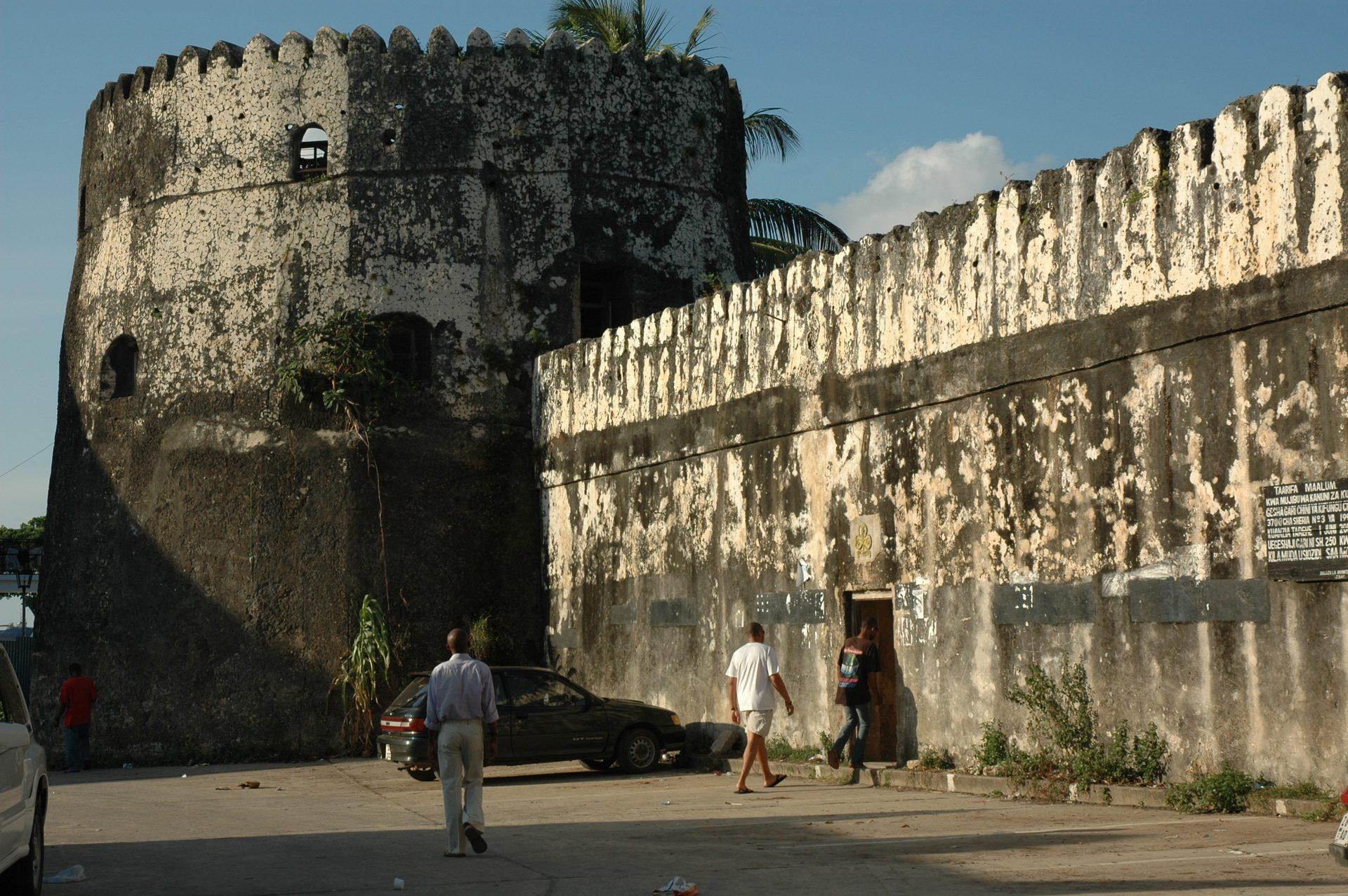
Zanzibar Island
Unguja — the Zanzibari name for the main island (the wider Zanzibar Archipelago also includes Pemba)
A Swahili coast archipelago of coral-white beaches, working spice groves, and a UNESCO-listed stone-carved old town
Photo: Ron Van Oers, via Wikimedia Commons (CC BY-SA 3.0 IGO)
1,464 km² (Unguja, the main island)
Roughly 20–25 mins by air from Dar es Salaam; short connecting flights also run from northern Tanzania’s safari airstrips
Abeid Amani Karume International Airport, Zanzibar (ZNZ)
No permit for general island access; separate entry fees apply for Jozani Chwaka Bay National Park and the Mnemba Atoll marine conservation area
The Soul of Zanzibar Island
Just a short flight off Tanzania’s Swahili coast, Zanzibar pairs naturally with an inland safari as a complete change of pace: warm, coral-sand beaches, a shallow turquoise lagoon, and Stone Town’s dense tangle of carved wooden doors and narrow coral-rag alleyways, built up over centuries of Swahili, Omani, Indian, and Persian trade. Inland, working spice plantations still grow the cloves, nutmeg, and cinnamon that once made the islands the world’s dominant clove exporter, while the endemic Zanzibar red colobus survives in the last remnants of native forest at Jozani Chwaka Bay.
Coral rag scrubland, tidal mangrove creeks, spice plantations, and white coral-sand beaches fringed by a shallow turquoise lagoon reef
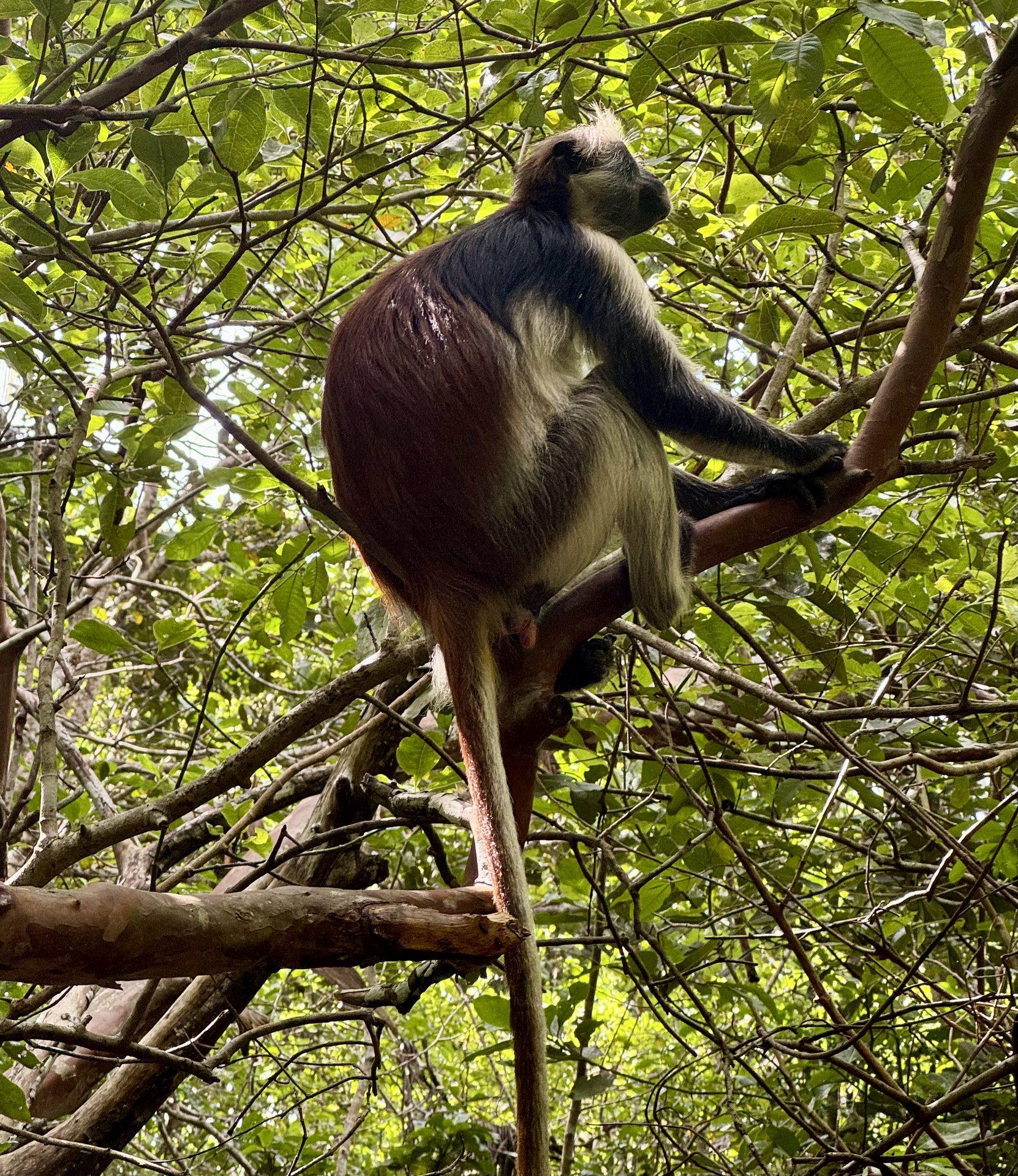
“Watching a troop of red colobus — found nowhere else on Earth — move through the last stand of Jozani’s forest is a reminder that an island barely forty kilometers offshore can still hold a species you will never encounter anywhere else.”
Tutoke Field Expeditions · Arusha & Kigali Ground Operations
Keystone Species & Tracking Insights
Field documentation by Tutoke Gold-Level Guides
Zanzibar Red Colobus
Piliocolobus kirkii
Named for Sir John Kirk, the 19th-century British consul and naturalist who first described it, this rust-capped colobus survives almost entirely within Jozani’s last patches of native groundwater forest — an easy, low-key half-day trip from the beach resorts.
Aders’ Duiker
Cephalophus adersi
One of Africa’s smallest and least-seen antelope, standing barely 35cm at the shoulder. Most guests who visit Jozani for the colobus never realize this shy duiker is sharing the same forest floor.
Indo-Pacific Bottlenose Dolphin
Tursiops aduncus
Resident pods have worked the reef channels off Kizimkazi for generations; the calmest, least crowded encounters are on the first boats out at dawn, well before the midday tour rush.
Green Sea Turtle
Chelonia mydas
Green turtles forage the seagrass beds around Mnemba year-round; the community-run conservation pond at Nungwi additionally rehabilitates injured turtles before returning them to the reef.
Month-by-Month Migration & Climate Guide
Select any month below to analyze expected animal density, weather conditions, and seasonal photography light.
Wildlife Movements & Activity
Warm, generally dry beach weather; the Kaskazi trade winds bring light, steady breeze.
Preparation & Wilderness Protocols
Airstrips & Air Transfers
Fly into Abeid Amani Karume International Airport (ZNZ), reached by short direct flights from Dar es Salaam or connecting flights from the northern safari circuit — an easy final leg after an inland Tanzania itinerary.
Health, Altitude & Inoculations
Malaria risk is lower than on the mainland safari circuit but not zero, so prophylaxis is still advised. Reef shoes are recommended for the shallow, coral-strewn lagoon at low tide, and reef-safe sunscreen protects both skin and the coral itself.
Clothing & Photographic Gear
Light, breathable beachwear suits the resorts and coastline, but modest covered shoulders and knees are the respectful standard when walking through Stone Town or nearby villages, out of consideration for the island’s predominantly Muslim culture.
Permit Securing & Conservation Fees
Jozani Chwaka Bay National Park charges a separate entry fee for the colobus forest walk, and the Mnemba Atoll marine conservation area has its own daily fee for snorkeling or diving. Both are simple to combine with a beach stay and worth booking as an early-morning outing before tour groups arrive.
Recommended Destinations
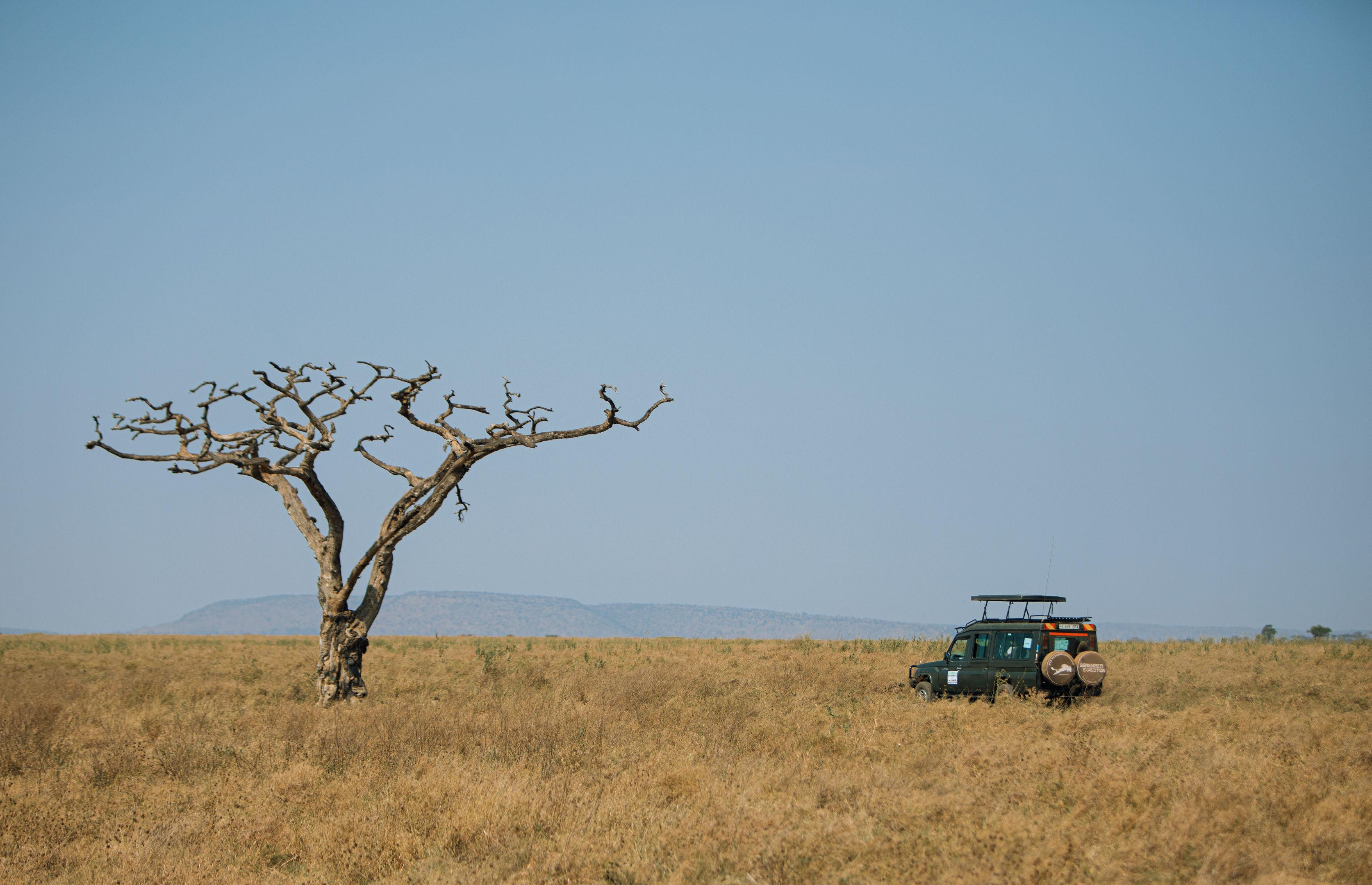 Tanzania
Serengeti National Park
The world’s most celebrated savanna ecosystem and stage of the Great Migration
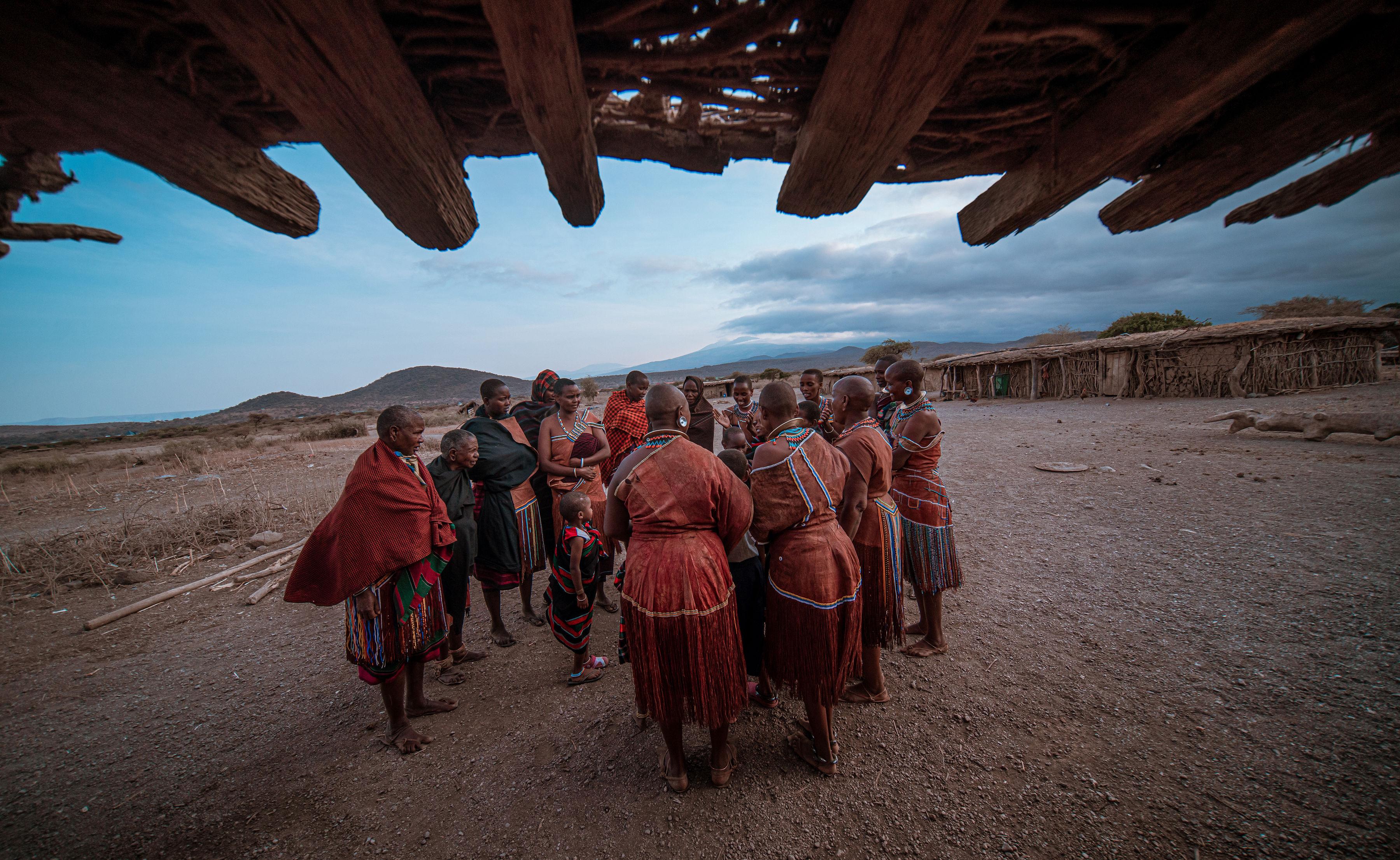 Tanzania
Ngorongoro Conservation Area
An intact volcanic caldera harboring 25,000 large mammals and ancient hominid history
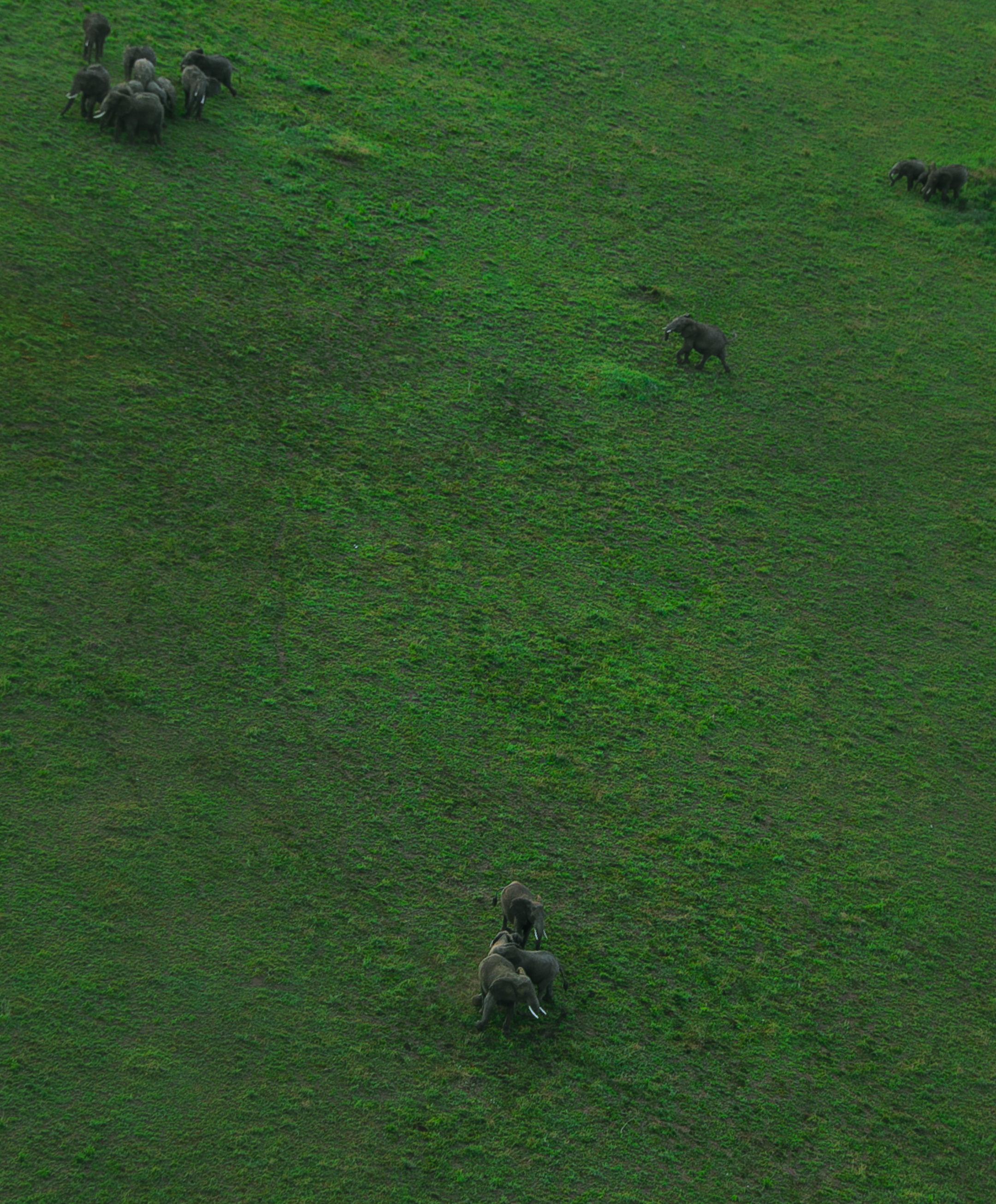 Tanzania
Tarangire National Park
Colossal elephant herds gathered along ancient riverbeds framed by thousand-year-old baobabs
“Visit Jozani Chwaka Bay early in the morning before the beach-resort tour groups arrive, and add the boardwalk through the mangrove forest — most visitors come only for the colobus troop and skip it entirely.”
Include Zanzibar Island
Our bespoke routes are never off-the-shelf. We handle all park authorizations, charter flights, and private luxury canvas allocations.
Ready to Walk the Grounds of Zanzibar Island?
Speak directly with our East African expedition directors to craft a private route connecting Zanzibar Island with the region’s finest wilderness camps.