
Ngorongoro Conservation Area
Olduvai & The Great Caldera
An intact volcanic caldera harboring 25,000 large mammals and ancient hominid history
8,292 km² (Conservation Area) / 260 km² (Caldera Floor)
40 mins flight from Arusha (ARK), or 3 hrs overland drive
Lake Manyara Airstrip (LKY) or Ngorongoro Rim Airstrip
NCAA Crater Service Fee & Vehicle Descent Permit
The Soul of Ngorongoro Conservation Area
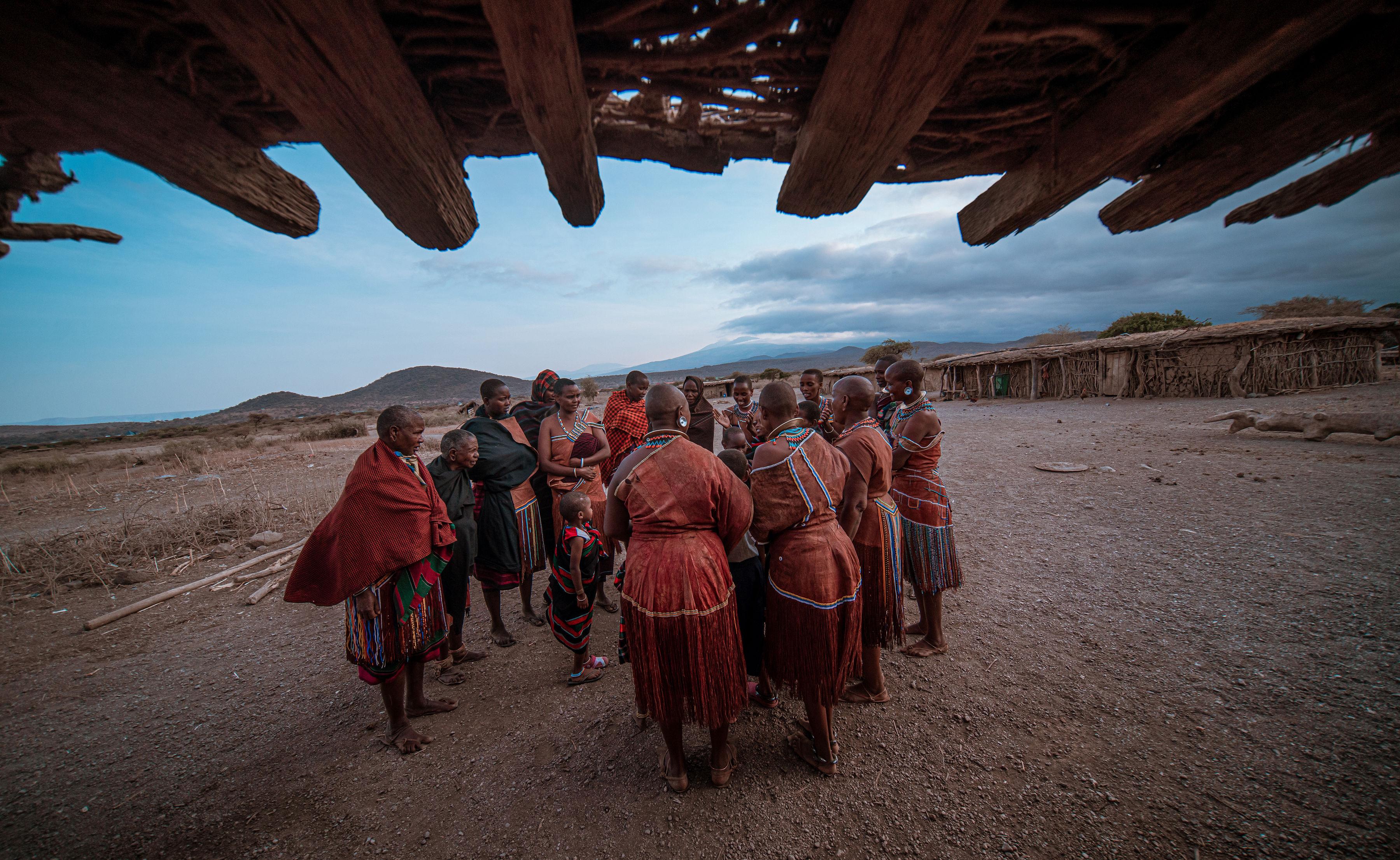
Formed when a massive volcano collapsed two million years ago, Ngorongoro is a self-contained ecological amphitheater. In addition to boasting the highest density of large predators in Africa, the surrounding highlands are home to the Olduvai Gorge and traditional Maasai pastoralists living in peaceful coexistence with wildlife.
Steep 600m caldera walls, Lerai fever tree forest, and alkaline soda lakes
“Descending down the mist-shrouded crater rim at 06:00 while the sun breaks through is like entering a prehistoric paradise.”
Tutoke Field Expeditions · Arusha & Kigali Ground Operations
Keystone Species & Tracking Insights
Field documentation by Tutoke Gold-Level Guides
Eastern Black Rhino
Diceros bicornis michaeli
The 600-meter sheer crater walls form a natural perimeter, making Ngorongoro one of the last places in Africa where wild black rhinos can be observed in daylight.
Black-Maned Lion
Panthera leo
Due to dense prey availability and crisp highland altitude, male lions here develop magnificent, thick dark manes that extend down their chests and bellies.
Tuskers (Bull Elephants)
Loxodonta africana
Only solitary, magnificent old bulls roam the crater floor—cows and calves remain in the thicker highland forests of the outer rim.
Lesser & Greater Flamingo
Phoeniconaias minor
Tens of thousands of pink flamingos carpet the lake surface, feeding on microscopic spirulina blue-green algae.
Month-by-Month Migration & Climate Guide
Select any month below to analyze expected animal density, weather conditions, and seasonal photography light.
Wildlife Movements & Activity
Clear caldera views; permanent water maintains dense predator action.
Where We Stay in Ngorongoro Conservation Area
Preparation & Wilderness Protocols
Airstrips & Air Transfers
Land at Lake Manyara Airstrip (LKY), followed by a 1.5-hour drive climbing the Great Rift Valley escarpment into the crater highlands.
Health, Altitude & Inoculations
Caldera rim is over 2,200m altitude. Temperatures at night drop to 8°C. Warm thermal fleece and windbreaker are essential for early morning descent.
Clothing & Photographic Gear
Layered clothing: warm insulated jacket for the 06:00 rim departure, transitioning to light cotton as the crater floor warms up by noon.
Permit Securing & Conservation Fees
Strict 6-hour descent window per permit to minimize environmental impact on the crater floor. Tutoke guides ensure arrival at gates before dawn.
Recommended Destinations
 Tanzania
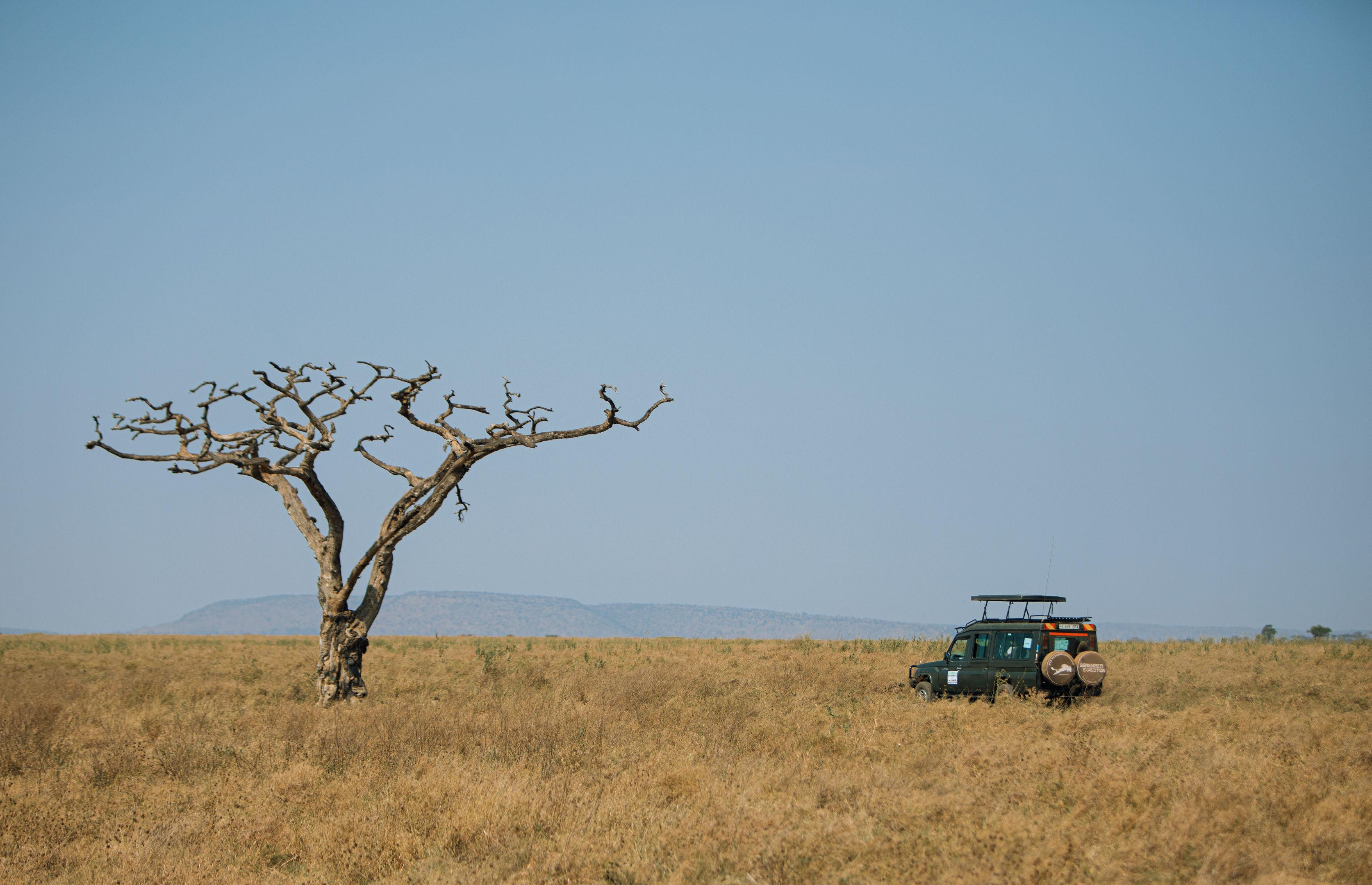
Serengeti National Park
The world’s most celebrated savanna ecosystem and stage of the Great Migration
 Tanzania
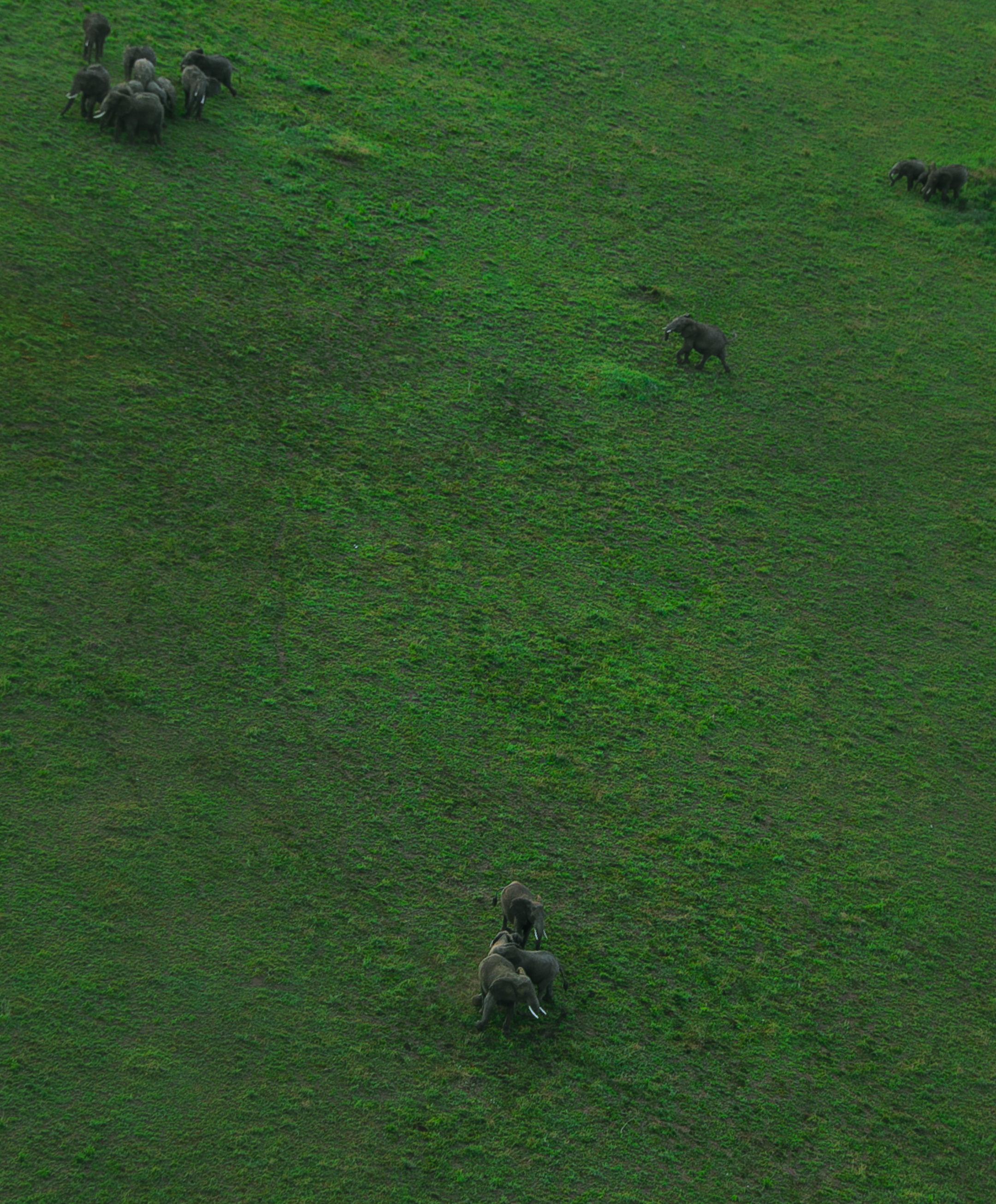
Tarangire National Park
Colossal elephant herds gathered along ancient riverbeds framed by thousand-year-old baobabs
 Tanzania
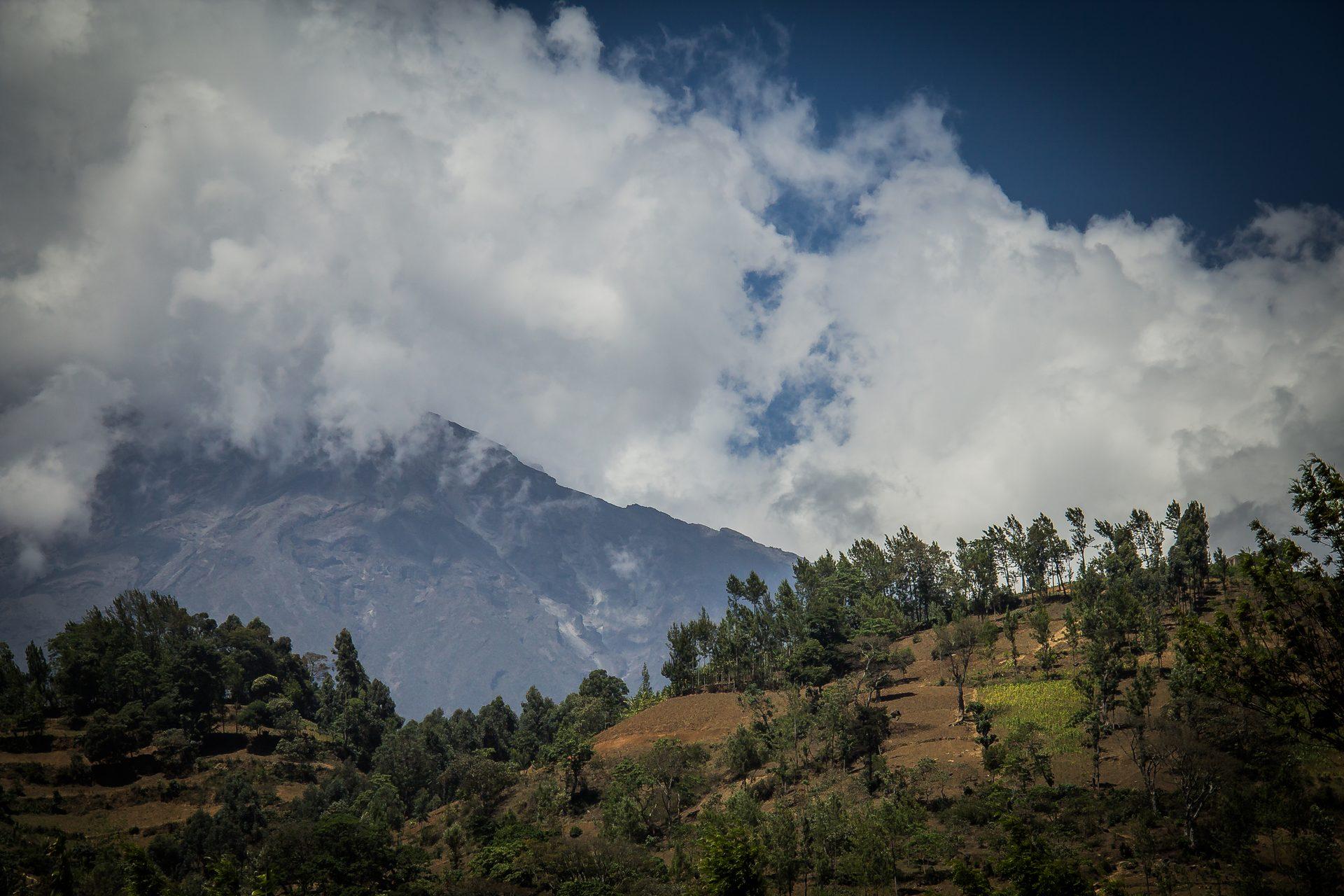
Arusha National Park
A compact, canoe-friendly wilderness in the shadow of Mount Meru — Tanzania’s most underrated day safari
“Pair the caldera floor with an afternoon rim-walk to Empakaai Crater for deep quiet and thousands of pink flamingos.”
Include Ngorongoro Conservation Area
Our bespoke routes are never off-the-shelf. We handle all park authorizations, charter flights, and private luxury canvas allocations.
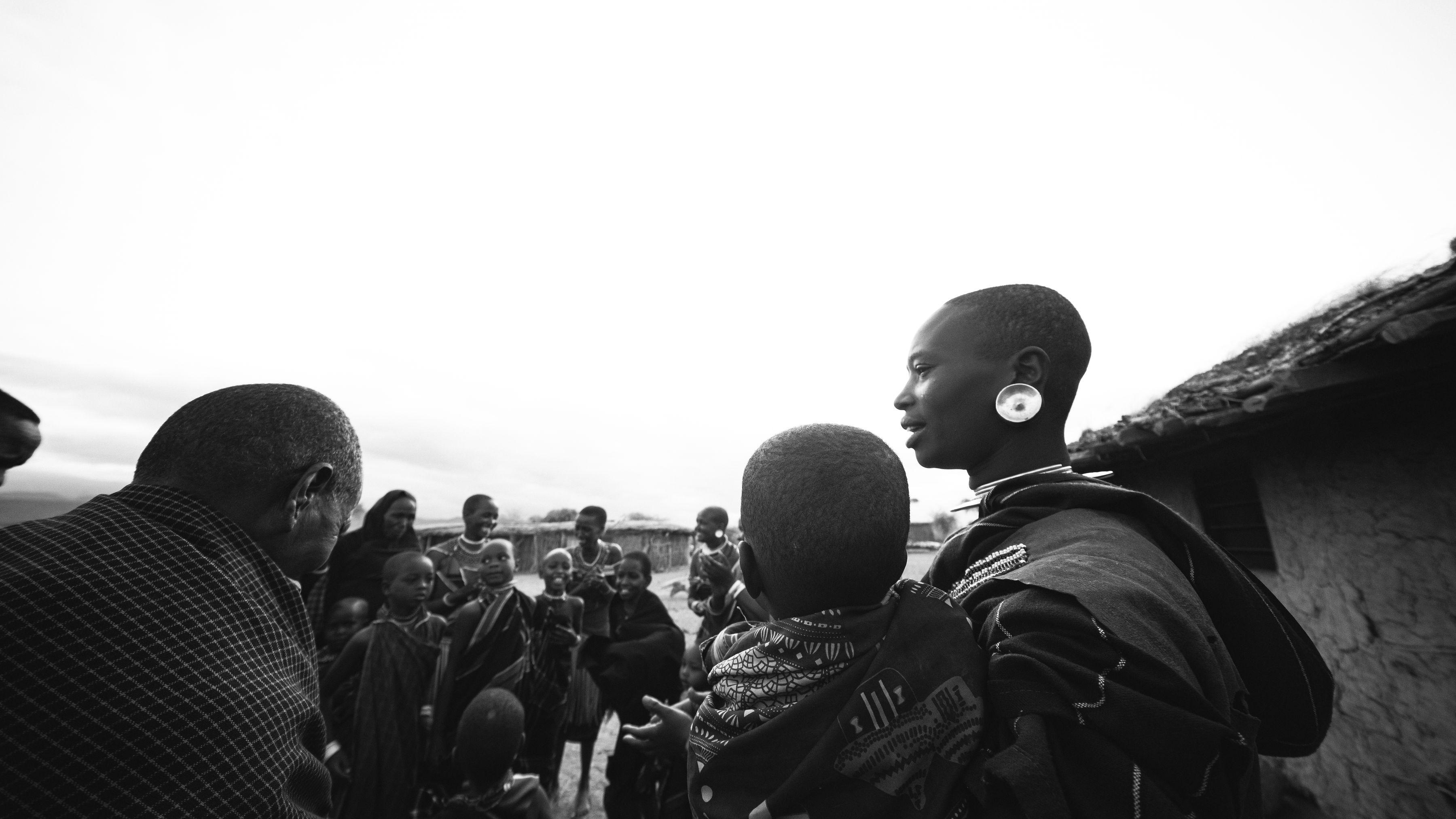
Ready to Walk the Grounds of Ngorongoro Conservation Area?
Speak directly with our East African expedition directors to craft a private route connecting Ngorongoro Conservation Area with the region’s finest wilderness camps.