
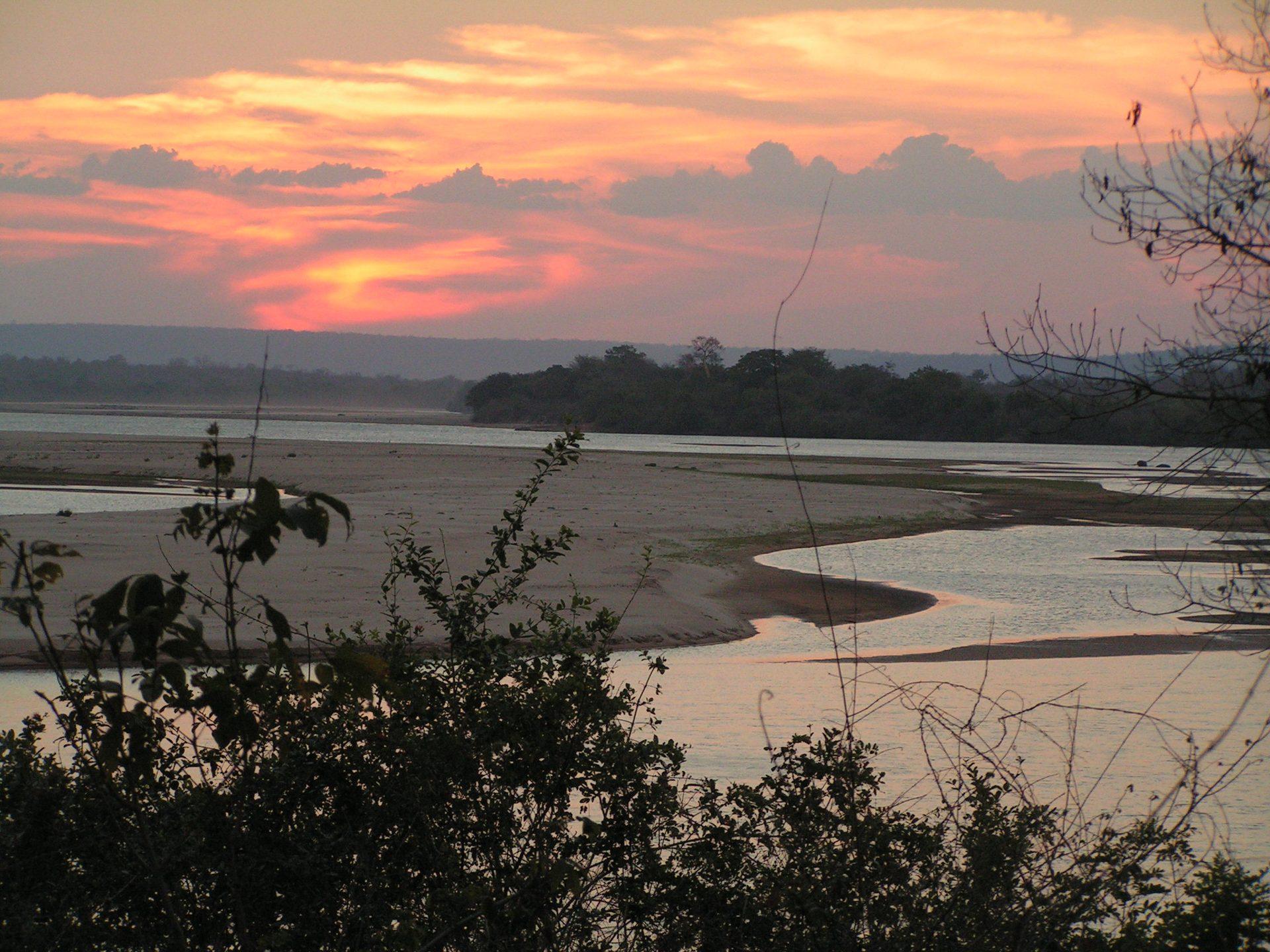
Selous Game Reserve
Selous — named for Frederick Courteney Selous, explorer and conservationist
A vast, lightly touched miombo wilderness anchoring the Selous–Niassa Wildlife Corridor
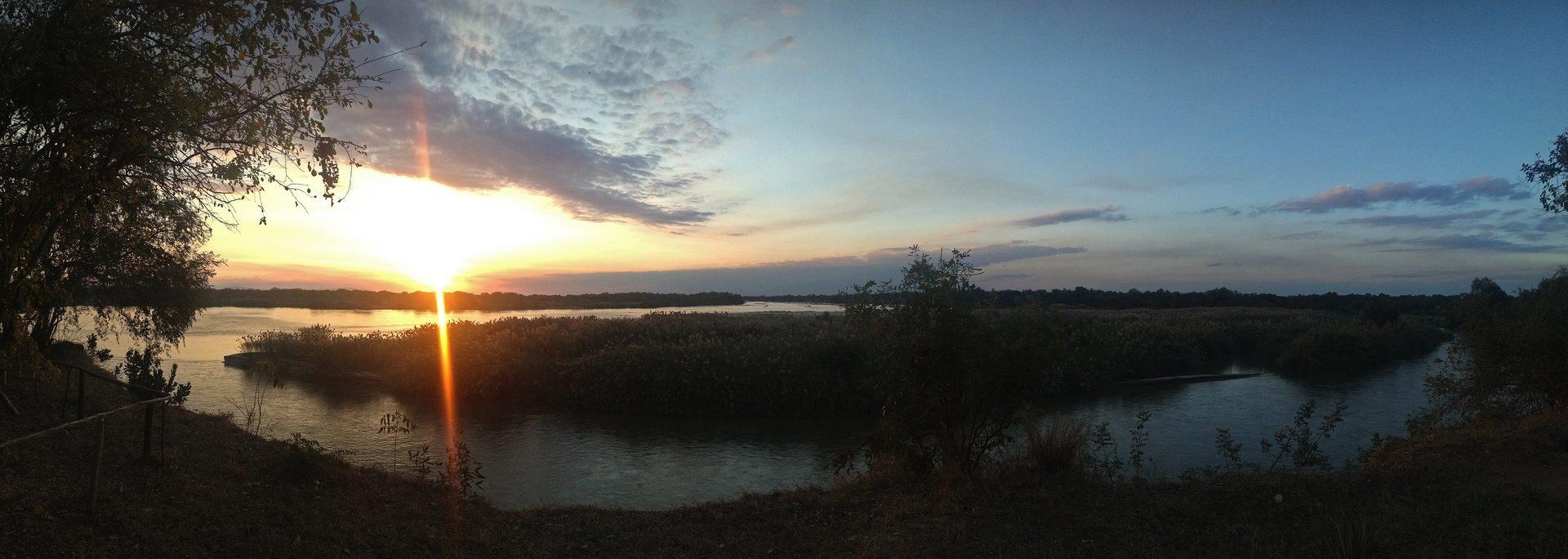
Photo: Panii, via Wikimedia Commons (GFDL 1.2+ / CC BY-SA 3.0)
Approx. 19,000–20,000 km² (the concession area retained after the 2019 split that created Nyerere National Park to the north)
Approx. 45–75 mins by charter aircraft from Dar es Salaam (DAR), depending on concession
Private airstrips within individual licensed concession blocks (no scheduled commercial service)
Concession-specific entry arrangement, made directly through the licensed operator holding the block
The Soul of Selous Game Reserve
Once part of a single reserve covering over 50,000 km² — among the largest protected wildlife areas ever established in Africa — Selous was divided in 2019, when its northern, river-fed heartland along the Rufiji became the separate Nyerere National Park. What remains under the Selous name is the reserve’s vast southern and western miombo woodland, a rolling, lightly watered wilderness that forms the northern anchor of the Selous–Niassa Wildlife Corridor, the single most important cross-border artery for elephants moving between Tanzania and Mozambique. It is named for Frederick Courteney Selous, the British explorer and naturalist buried here where he fell in 1917, and today the reserve is managed almost entirely as licensed hunting concessions, with only a handful of blocks continuing to offer the walking safaris and mobile tented camps that once made Selous famous among purists. At Tutoke we work only with the non-consumptive concessions, positioning small walking-safari camps along the dry sand rivers where wildlife concentrates in the cooler months.
Rolling Brachystegia (miombo) woodland, seasonal sand rivers, and scattered granite hill ranges forming the northern anchor of the Selous–Niassa Wildlife Corridor
“Out here the sand rivers do the elephants’ work for them — dig a few feet down into a dry riverbed in August and you’ll find the water an entire ecosystem depends on.”
Tutoke Field Expeditions · Arusha & Kigali Ground Operations
Keystone Species & Tracking Insights
Field documentation by Tutoke Gold-Level Guides
African Wild Dog
Lycaon pictus
The wider Selous–Niassa ecosystem remains one of the last strongholds for this highly social, cooperative hunter in Africa. Packs here range across enormous territories that straddle the Tanzania–Mozambique border.
African Elephant
Loxodonta africana
Elephants here dig shallow wells in the dry sand rivers with their front feet and tusks, creating the only standing water for kilometers — a resource that then supports the entire local food web.
Sable Antelope
Hippotragus niger
A hallmark species of the miombo belt rather than open savanna. Mature bulls, jet-black with scimitar horns sweeping past their shoulders, hold small territories they defend fiercely against rivals.
Greater Kudu
Tragelaphus strepsiceros
Their loose, striped grey coats and spiralling horns make them near-invisible against dappled miombo light until they turn to face you — the classic "ghost of the woodland" sighting.
Month-by-Month Migration & Climate Guide
Select any month below to analyze expected animal density, weather conditions, and seasonal photography light.
Wildlife Movements & Activity
Rains fully established; bush is dense and wildlife disperses well off the tracks.
Preparation & Wilderness Protocols
Airstrips & Air Transfers
Access is exclusively by private charter aircraft to unpaved airstrips within individual concession blocks; there is no scheduled commercial air service. Charters typically originate in Dar es Salaam (DAR) and take 45–75 minutes depending on the block.
Health, Altitude & Inoculations
Malaria prophylaxis is essential throughout the reserve. Yellow fever certification is required if arriving from an endemic country. Tsetse flies are present in the miombo woodland.
Clothing & Photographic Gear
Neutral earth tones only; avoid dark blue and black, which attract tsetse flies. Sturdy closed footwear is essential for walking safaris along the sand riverbeds.
Permit Securing & Conservation Fees
Because Selous Game Reserve today is managed almost entirely through individually licensed concessions, access is arranged directly with the operator holding the specific block rather than through a single park-wide gate fee.
Recommended Destinations
 Tanzania
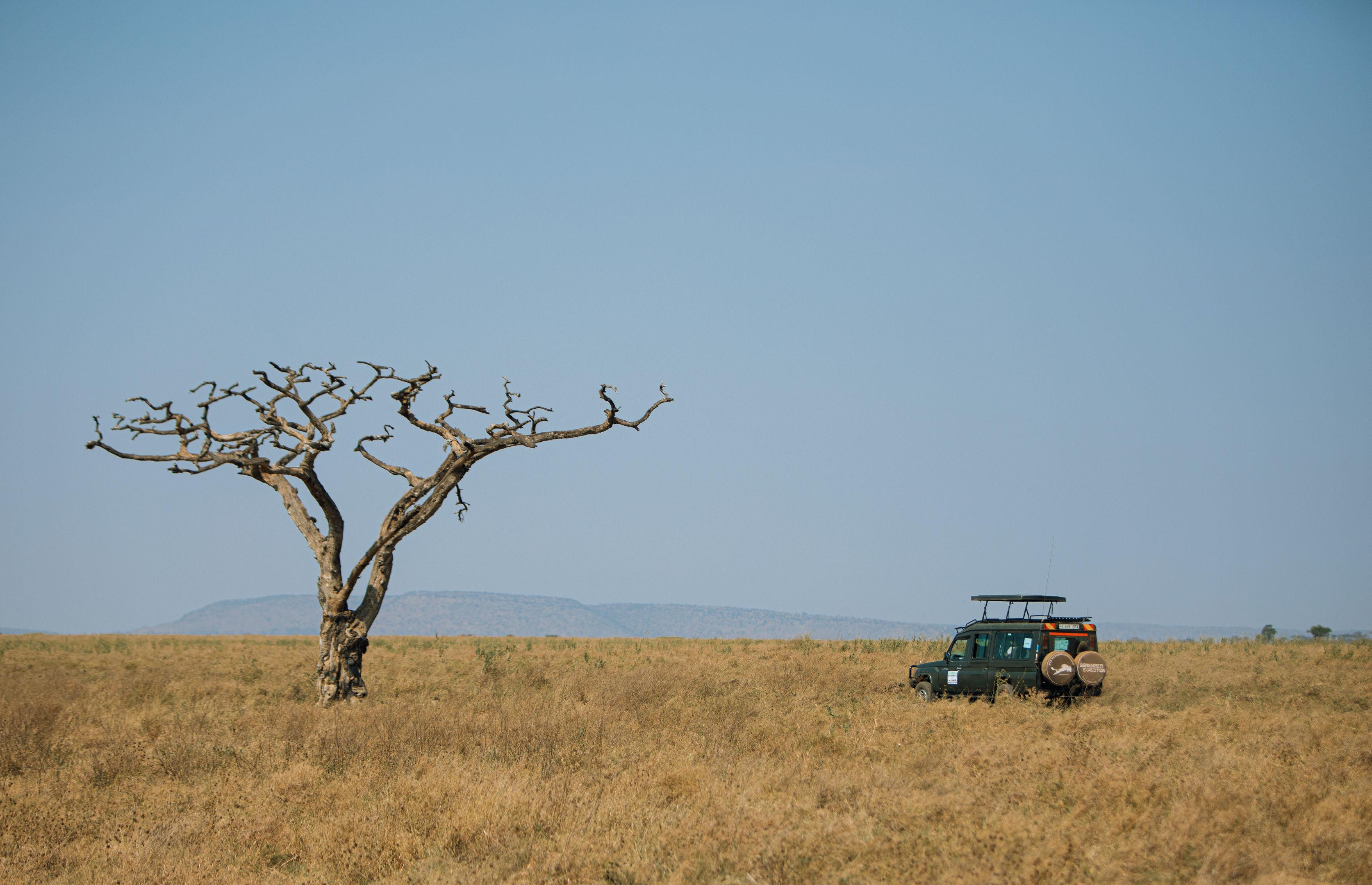
Serengeti National Park
The world’s most celebrated savanna ecosystem and stage of the Great Migration
 Tanzania
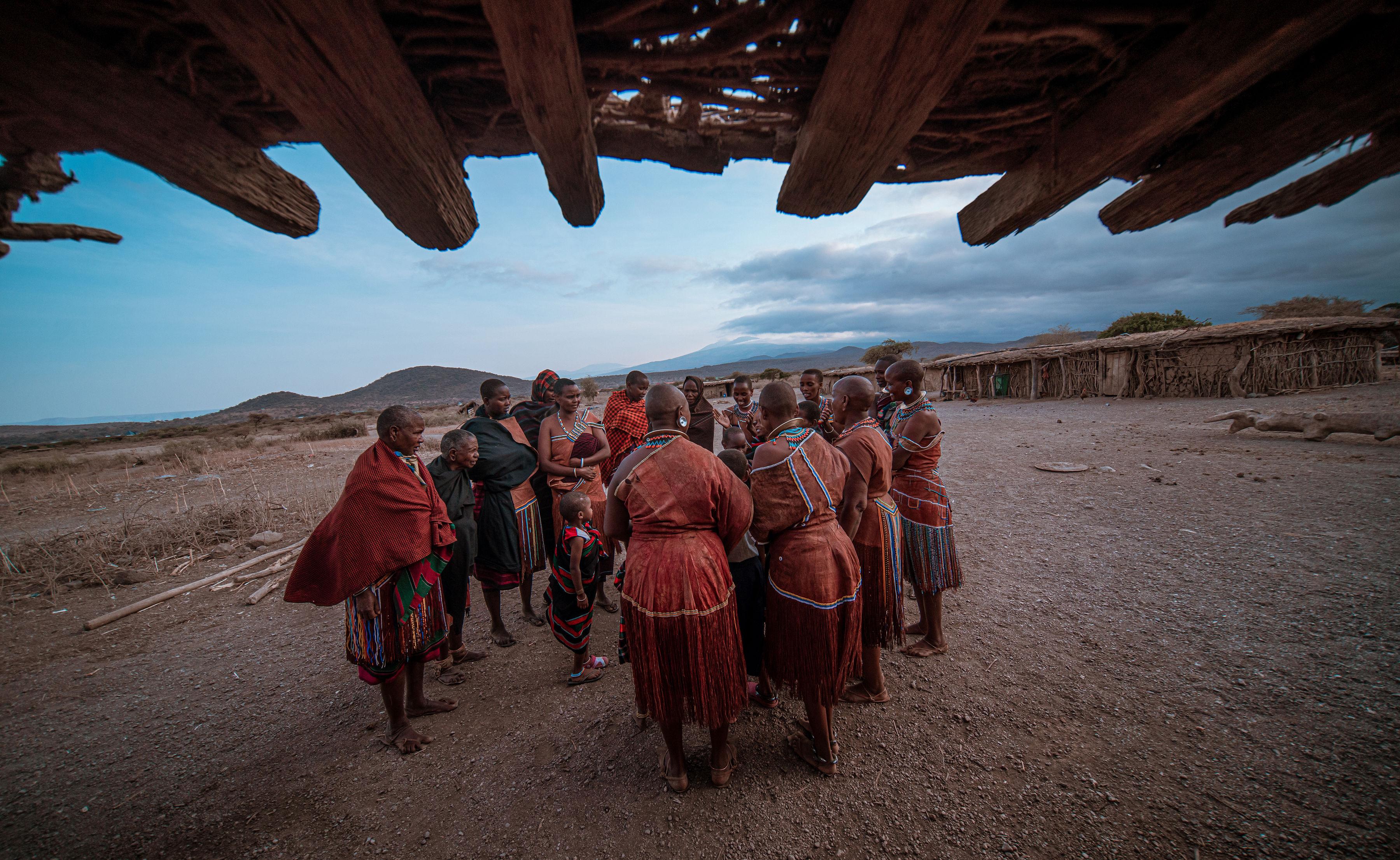
Ngorongoro Conservation Area
An intact volcanic caldera harboring 25,000 large mammals and ancient hominid history
 Tanzania
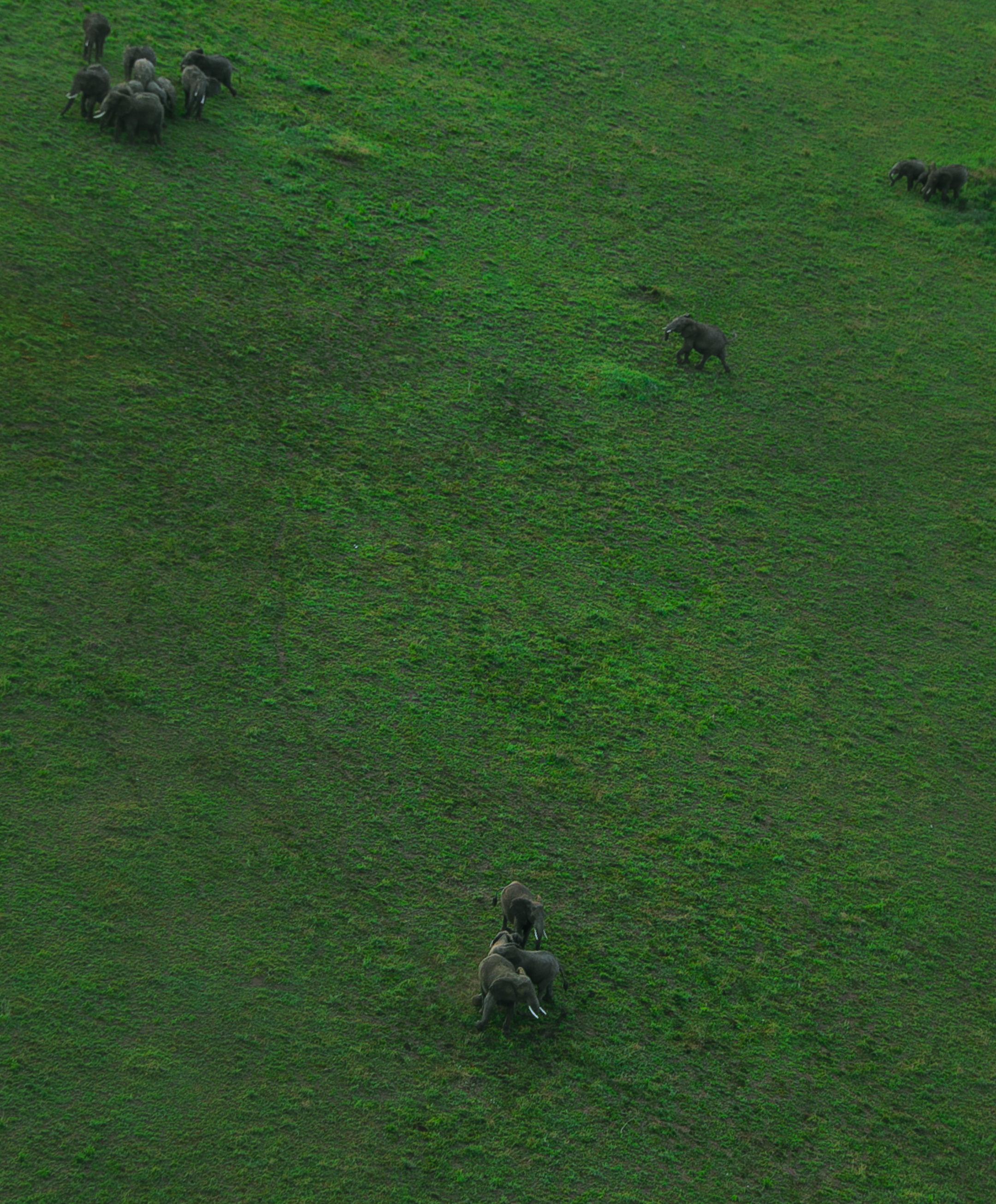
Tarangire National Park
Colossal elephant herds gathered along ancient riverbeds framed by thousand-year-old baobabs
“Because so few of Selous’s remaining blocks are open to photographic travelers, book eight to twelve months ahead — availability, not price, is the real constraint here.”
Include Selous Game Reserve
Our bespoke routes are never off-the-shelf. We handle all park authorizations, charter flights, and private luxury canvas allocations.
Ready to Walk the Grounds of Selous Game Reserve?
Speak directly with our East African expedition directors to craft a private route connecting Selous Game Reserve with the region’s finest wilderness camps.