
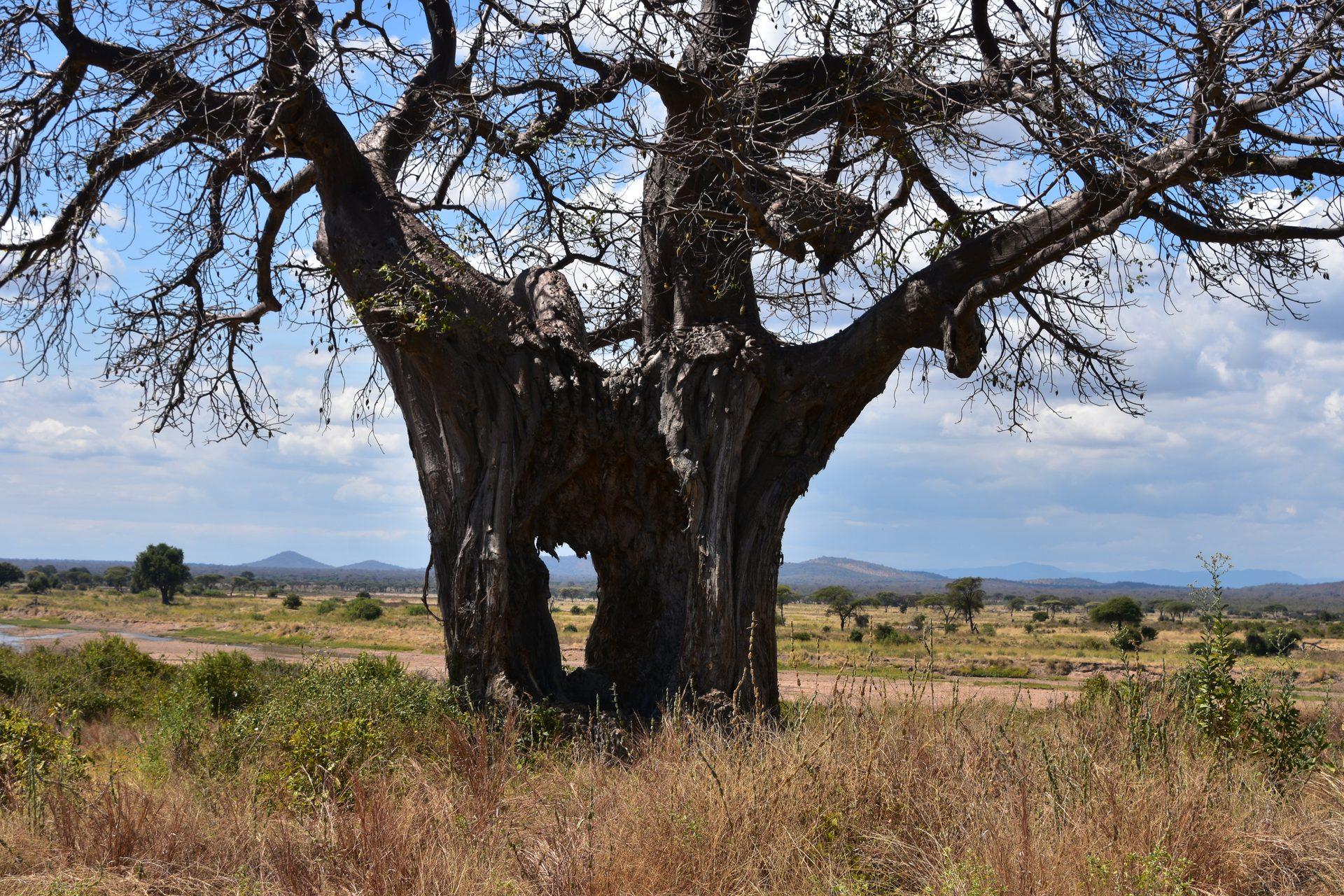
Ruaha National Park
Ruaha — from the Hehe word "Lyuaha," meaning river
Tanzania’s largest true wilderness park, where East African and southern African wildlife worlds meet beneath ancient baobabs
Photo: Richard Mortel, via Wikimedia Commons (CC BY 2.0)
Approx. 20,226 km² (Tanzania’s second-largest national park, after Nyerere)
Approx. 1 hr 15 mins by charter from Dar es Salaam (DAR), or a short hop from Selous/Nyerere or Iringa
Msembe (park headquarters airstrip); Jongomero airstrip in the remote south
TANAPA National Park Entry Permit
The Soul of Ruaha National Park
Ruaha takes its name from the Great Ruaha River, the seasonal lifeline that carves the park’s eastern boundary and, in recent decades, has periodically run dry in its lower reaches during the driest months as upstream irrigation draws down the Usangu wetlands that feed it — a stark reminder of how tightly this ecosystem’s wildlife is bound to water. Expanded in 2008 to absorb the former Usangu Game Reserve, Ruaha is now Tanzania’s second-largest national park, sitting at the convergence of East African and southern African habitats: it is one of the only places where both greater and lesser kudu share the same baobab-studded escarpments. Lion prides here are large and confident, wild dog packs still range across the plateau in real numbers, and ancient baobabs — some centuries old — punctuate a landscape that, thanks to its remoteness, receives a fraction of the visitors of the northern circuit.
Baobab-studded escarpments above the Great Ruaha River, dense miombo woodland, and the seasonally flooded Usangu wetlands to the south
“When the river itself starts to disappear, every remaining pool becomes a stage — sit at one waterhole for a morning and you’ll watch the entire hierarchy of the bush walk past you.”
Tutoke Field Expeditions · Arusha & Kigali Ground Operations
Keystone Species & Tracking Insights
Field documentation by Tutoke Gold-Level Guides
African Lion
Panthera leo
Ruaha’s prides are large, confident, and comparatively undisturbed by vehicle traffic thanks to the park’s remoteness — sightings often unfold at a pace you rarely get on busier northern circuits.
African Wild Dog
Lycaon pictus
Ruaha is regarded as one of Tanzania’s most important strongholds for wild dogs, with packs ranging across the plateau woodland in genuinely healthy numbers.
Greater Kudu
Tragelaphus strepsiceros
Ruaha’s transitional habitat means both greater and lesser kudu occur here — one of very few places in East Africa where a guide can realistically show you both species in a single visit.
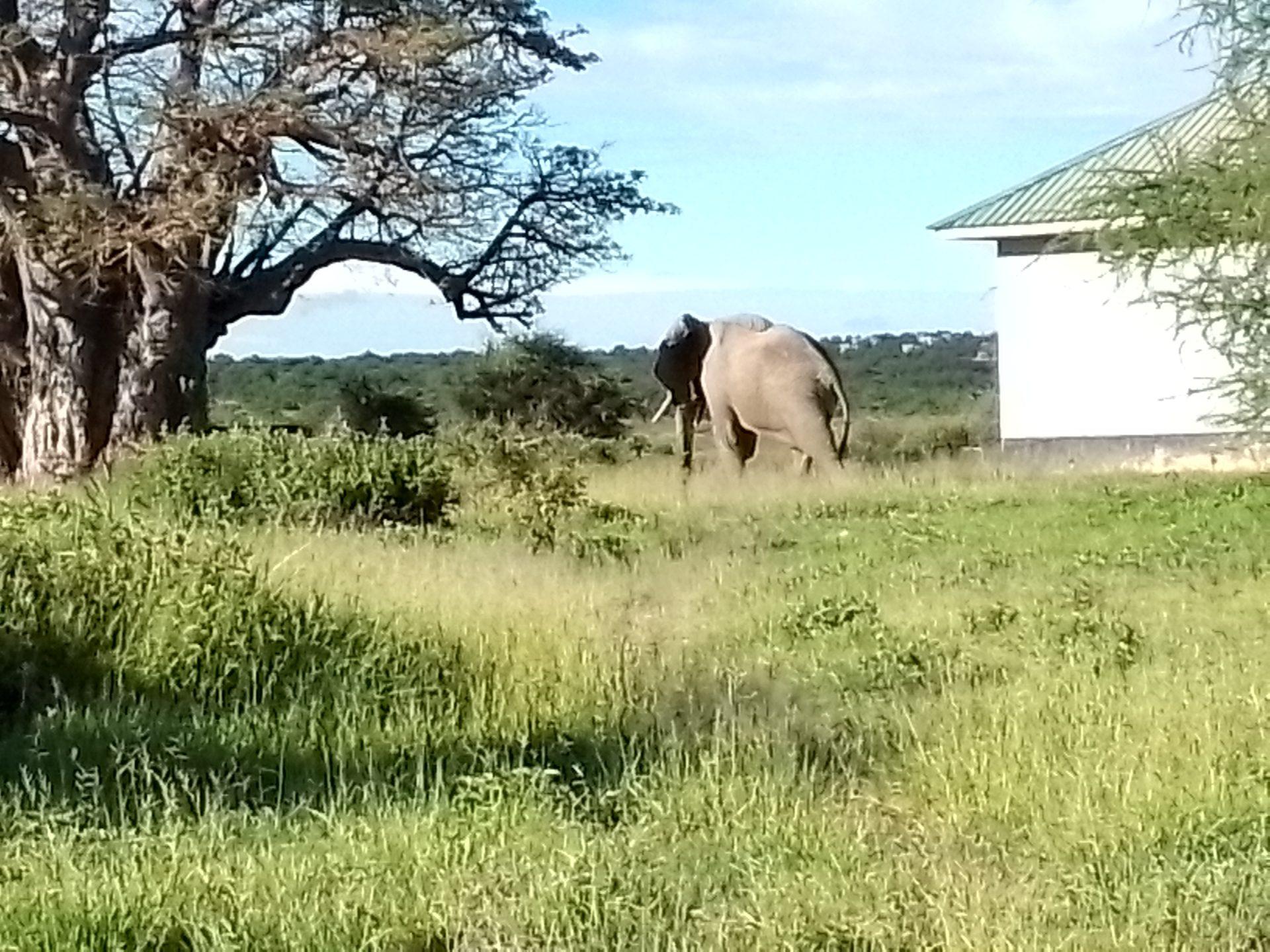
African Bush Elephant
Loxodonta africana
When the Great Ruaha itself thins to disconnected pools late in the dry season, elephant herds excavate the sand for water — a dramatic, primal behavior best watched from a discreet distance.
Month-by-Month Migration & Climate Guide
Select any month below to analyze expected animal density, weather conditions, and seasonal photography light.
Wildlife Movements & Activity
Landscape lush and green; baobabs in full leaf, wildlife dispersed.
Preparation & Wilderness Protocols
Airstrips & Air Transfers
Light-aircraft flights connect Dar es Salaam (DAR), Zanzibar (ZNZ), and Selous/Nyerere to Msembe airstrip (park HQ) or Jongomero in the remote south, roughly 1–1.5 hours in the air.
Health, Altitude & Inoculations
Malaria prophylaxis strongly advised. Yellow fever certificate required if arriving from an endemic country. Tsetse flies are present in denser woodland areas.
Clothing & Photographic Gear
Neutral earth tones; a warm layer for cool dry-season mornings (Jun–Aug can drop below 15°C before dawn); sturdy boots for guided bush walks.
Permit Securing & Conservation Fees
TANAPA park entry permits are arranged in advance by Tutoke. Because Ruaha remains one of Tanzania’s least-visited major parks, we prioritise camps set well back from the small cluster of public tracks near Msembe.
Recommended Destinations
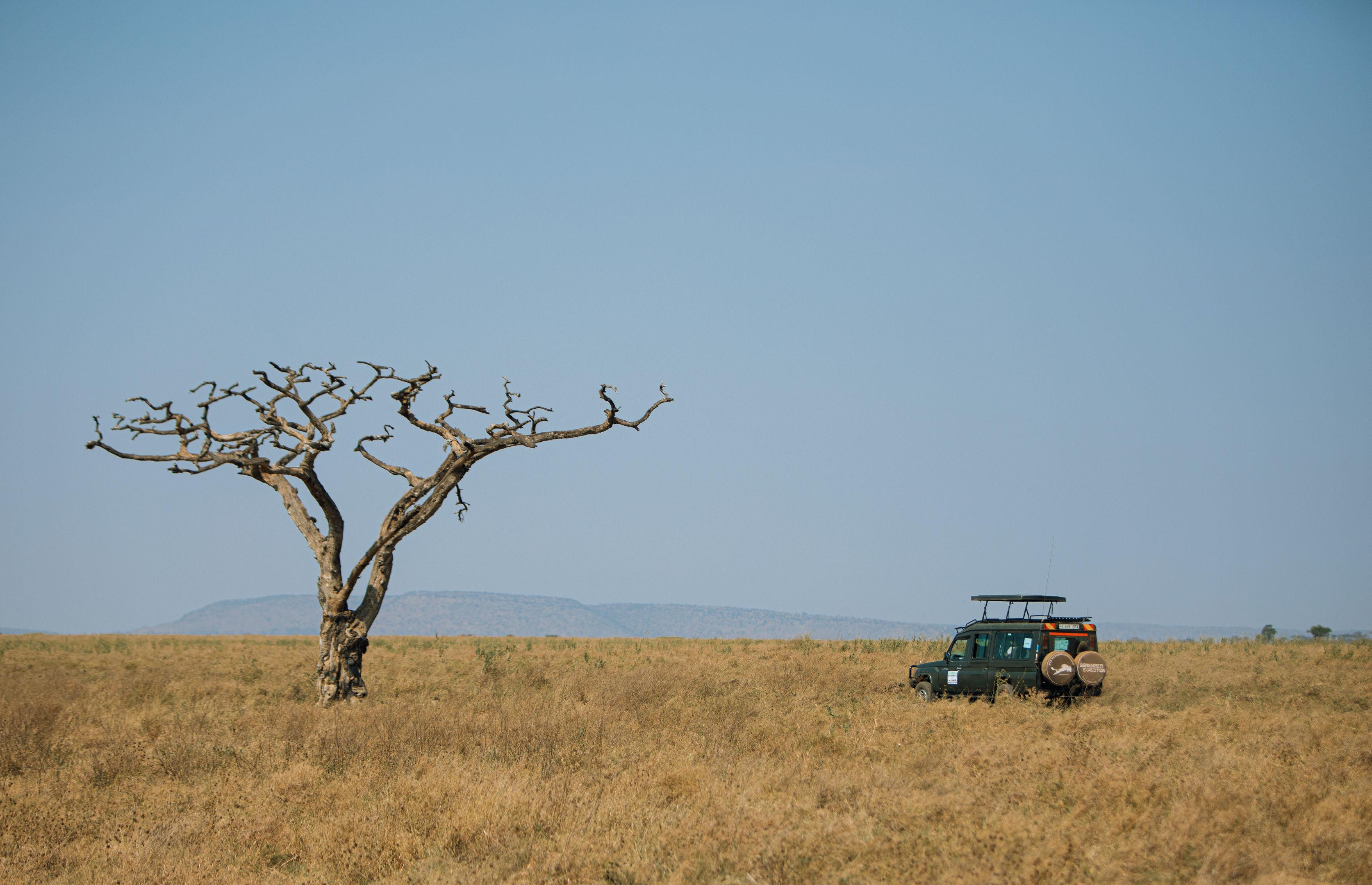 Tanzania
Serengeti National Park
The world’s most celebrated savanna ecosystem and stage of the Great Migration
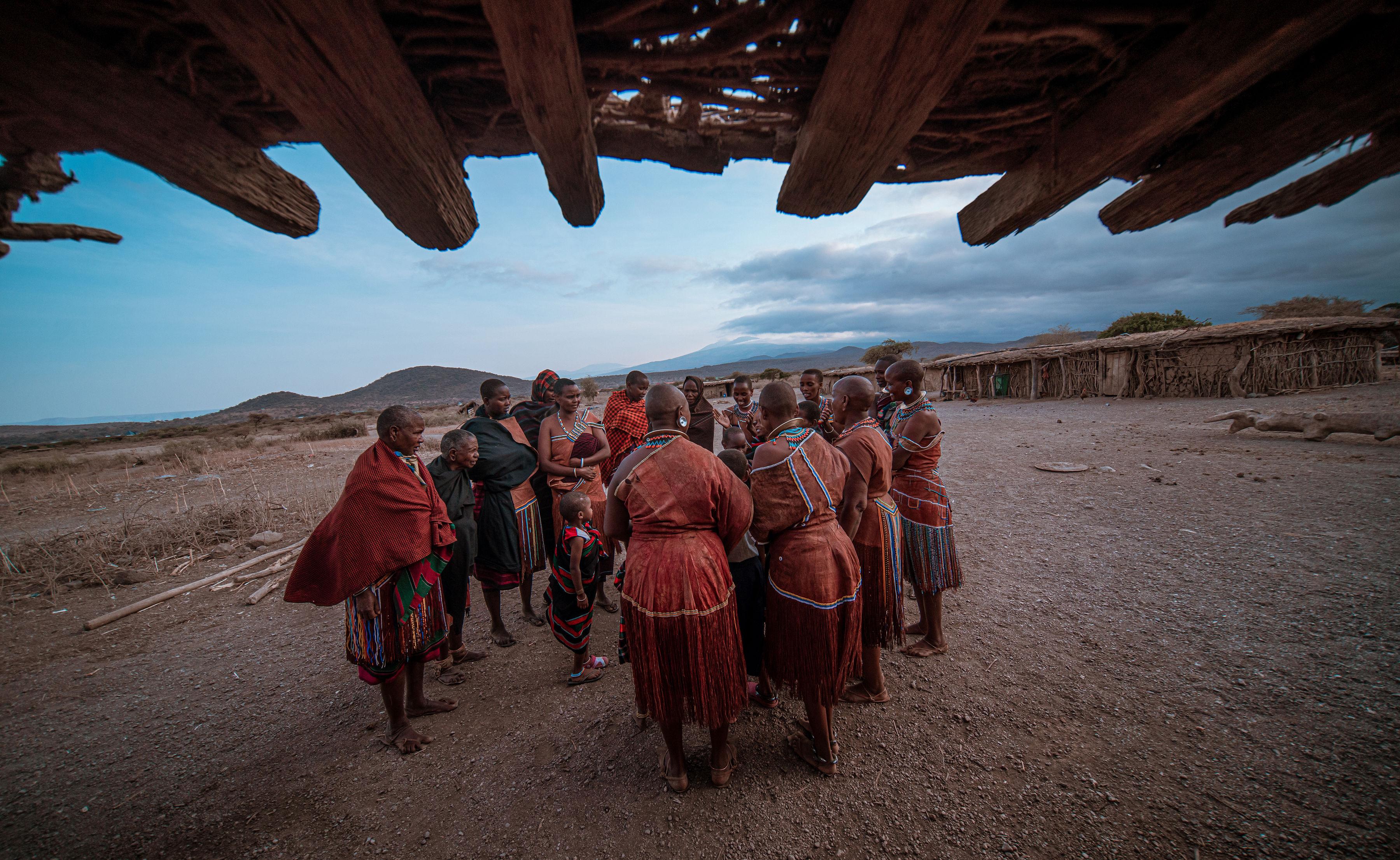 Tanzania
Ngorongoro Conservation Area
An intact volcanic caldera harboring 25,000 large mammals and ancient hominid history
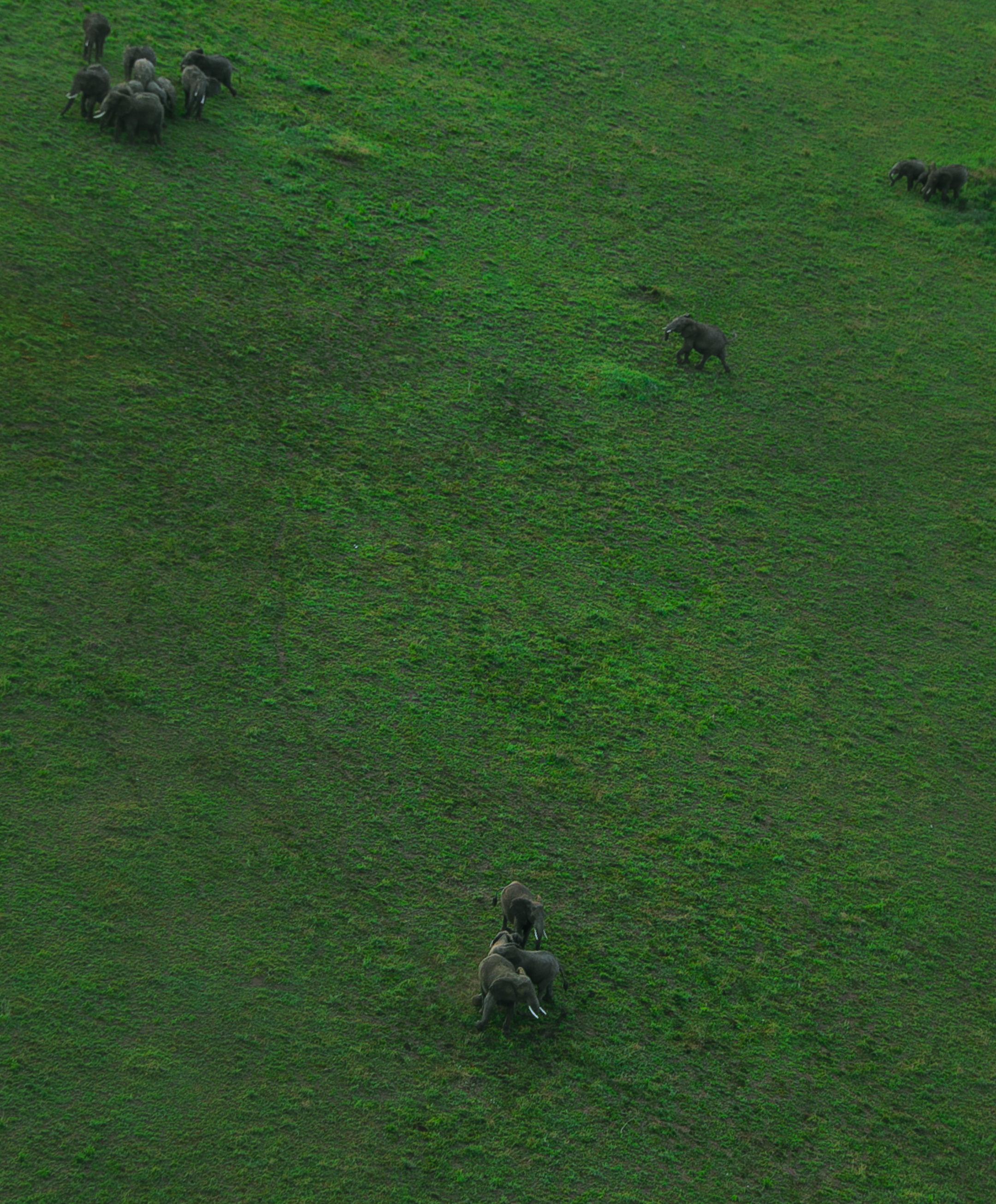 Tanzania
Tarangire National Park
Colossal elephant herds gathered along ancient riverbeds framed by thousand-year-old baobabs
“Visit in September or October, when the driest conditions push game onto the last stretches of the Great Ruaha itself — sightings concentrate in a way the wetter months simply can’t match.”
Include Ruaha National Park
Our bespoke routes are never off-the-shelf. We handle all park authorizations, charter flights, and private luxury canvas allocations.
Ready to Walk the Grounds of Ruaha National Park?
Speak directly with our East African expedition directors to craft a private route connecting Ruaha National Park with the region’s finest wilderness camps.