
Nyerere National Park
Hifadhi ya Taifa ya Nyerere
The Rufiji River heartland of the old Selous ecosystem — Tanzania's premier boat-safari wilderness
Photo: Erasmus Kamugisha, via Wikimedia Commons (CC BY-SA 4.0)
Approx. 30,893 km² (the northern, photographic-tourism sector carved from the former Selous Game Reserve in 2019)
Approx. 45–60 minutes flight from Dar es Salaam (DAR)
Mtemere (MTE), Siwandu, Kiba and other airstrips within the park
TANAPA National Park Entry Permit
The Soul of Nyerere National Park
Carved out of the northern third of the former Selous Game Reserve in 2019 and named for Tanzania's founding president, Nyerere National Park is now one of the largest national parks in Africa — and among the very few places on the northern safari circuit where you can trade the vehicle for a boat. The Rufiji River, Tanzania's largest, threads through the park in a maze of channels, oxbow lakes and delta country that supports huge concentrations of hippo and crocodile, alongside one of the continent's most important remaining populations of African wild dog. We build itineraries here around both game drives through the miombo woodland and slow boat safaris along the river — the two halves of what makes Nyerere genuinely distinct from the northern parks. (Note: the southern hunting-concession portion of the former reserve remains separately designated as Selous Game Reserve.)
The Rufiji River and its delta, oxbow lakes and sand banks, borassus and doum palm groves, and vast tracts of miombo woodland
“Cut the outboard engine mid-river at dusk and just drift — the Rufiji does most of the guiding for you, past hippo pods, fish eagles and, if you're fortunate, a wild dog pack coming down to drink.”
Tutoke Field Expeditions · Arusha & Kigali Ground Operations
Keystone Species & Tracking Insights
Field documentation by Tutoke Gold-Level Guides
African Wild Dog
Lycaon pictus
Nyerere's scale and low visitor density are exactly what this endangered pack hunter needs — wild dogs require enormous territories and are pushed out of more fragmented, heavily visited ecosystems.
African Elephant
Loxodonta africana
This population suffered some of the worst ivory poaching losses in Africa a decade ago. Its slow, visible recovery under stepped-up protection is one of Tanzania's genuine conservation successes.
Hippopotamus
Hippopotamus amphibius
The Rufiji supports some of the highest hippo densities in East Africa. A slow boat safari past pod after pod, jaws yawning in mock threat, is one of the park's defining experiences.
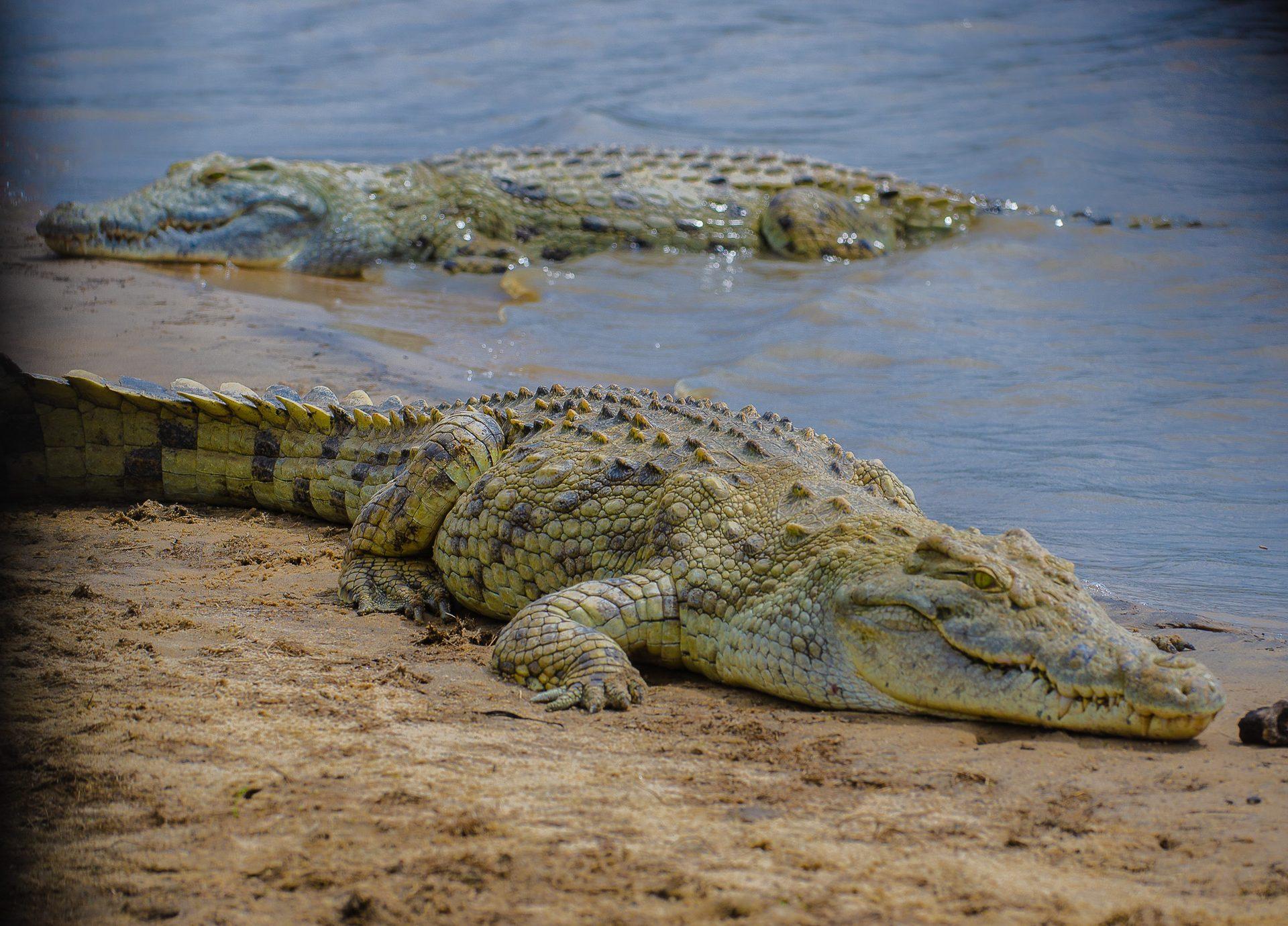
Nile Crocodile
Crocodylus niloticus
The Rufiji Delta holds some of Tanzania's largest individual crocodiles, whose size reflects an abundant, undisturbed river system with decades of relatively low human pressure.
Month-by-Month Migration & Climate Guide
Select any month below to analyze expected animal density, weather conditions, and seasonal photography light.
Wildlife Movements & Activity
Short dry spell brings strong game viewing before the rains build.
Preparation & Wilderness Protocols
Airstrips & Air Transfers
Daily scheduled and charter flights from Dar es Salaam (DAR) reach the park's network of airstrips — Mtemere, Siwandu, Kiba and others — in around 45 to 60 minutes, positioning guests close to camps along the Rufiji.
Health, Altitude & Inoculations
Malaria prophylaxis is essential in this hot, low-lying river environment. Tsetse flies are present in miombo woodland away from the river — see the clothing note below.
Clothing & Photographic Gear
Neutral khaki and olive tones; avoid dark blue and black, which draw tsetse flies in the woodland blocks away from the river. Light, breathable fabrics for the heat, plus a hat and strong sun protection for open boat safaris.
Permit Securing & Conservation Fees
TANAPA park fees are secured by Tutoke in advance. Because Nyerere runs a genuine dual game-drive-and-boat-safari program, we build itineraries around at least two nights so guests experience both the river and the woodland interior.
Recommended Destinations
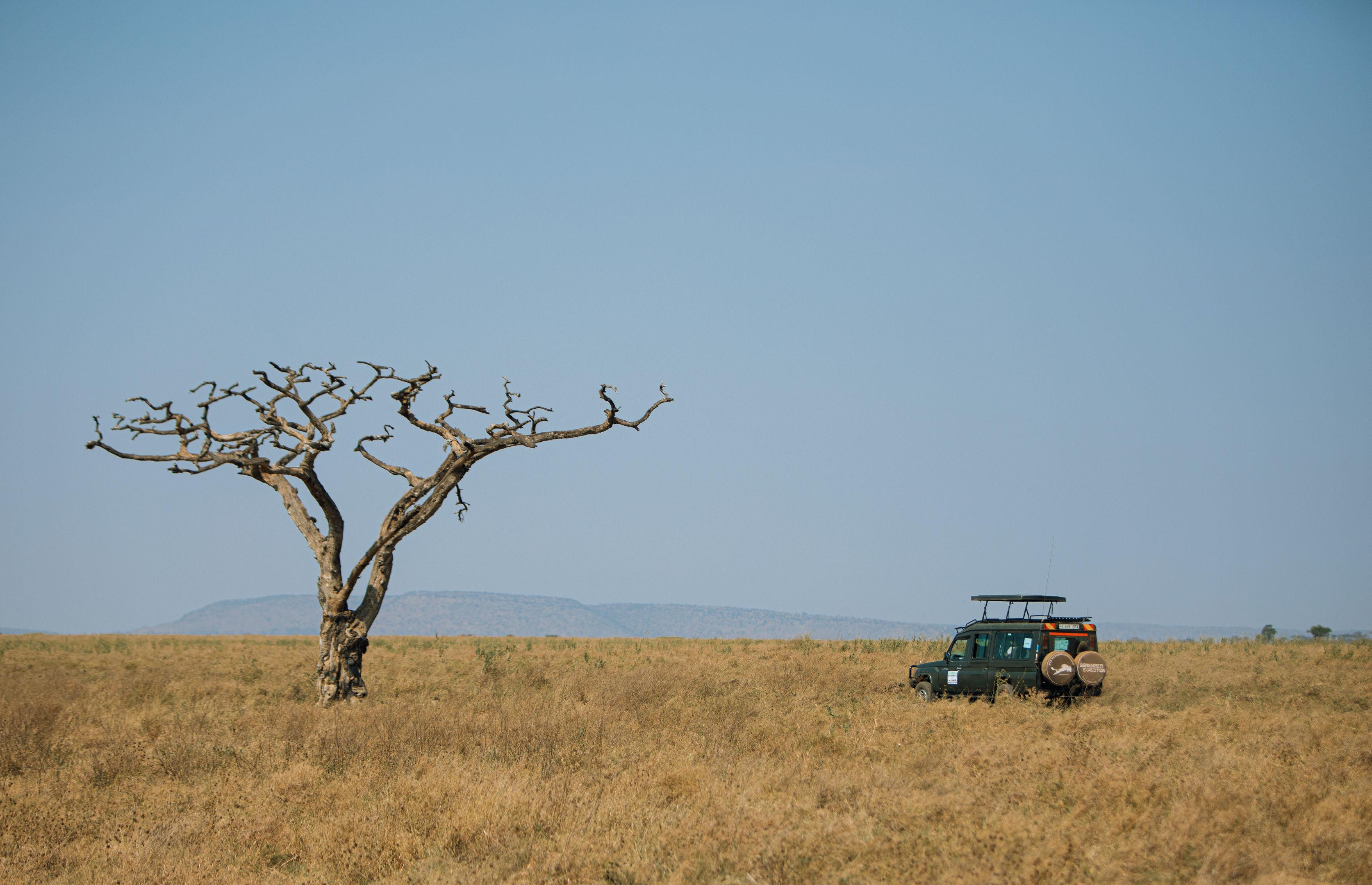 Tanzania
Serengeti National Park
The world’s most celebrated savanna ecosystem and stage of the Great Migration
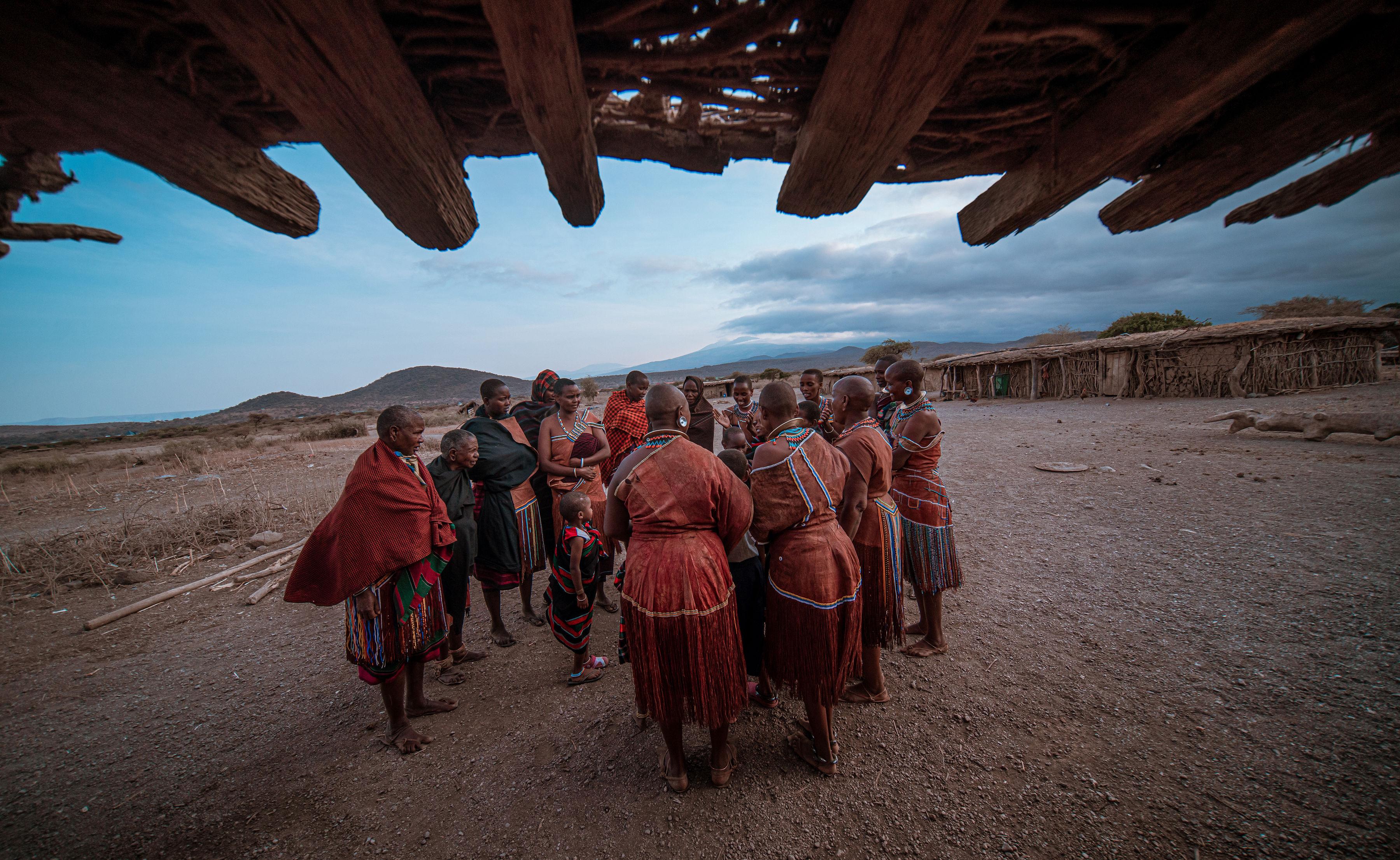 Tanzania
Ngorongoro Conservation Area
An intact volcanic caldera harboring 25,000 large mammals and ancient hominid history
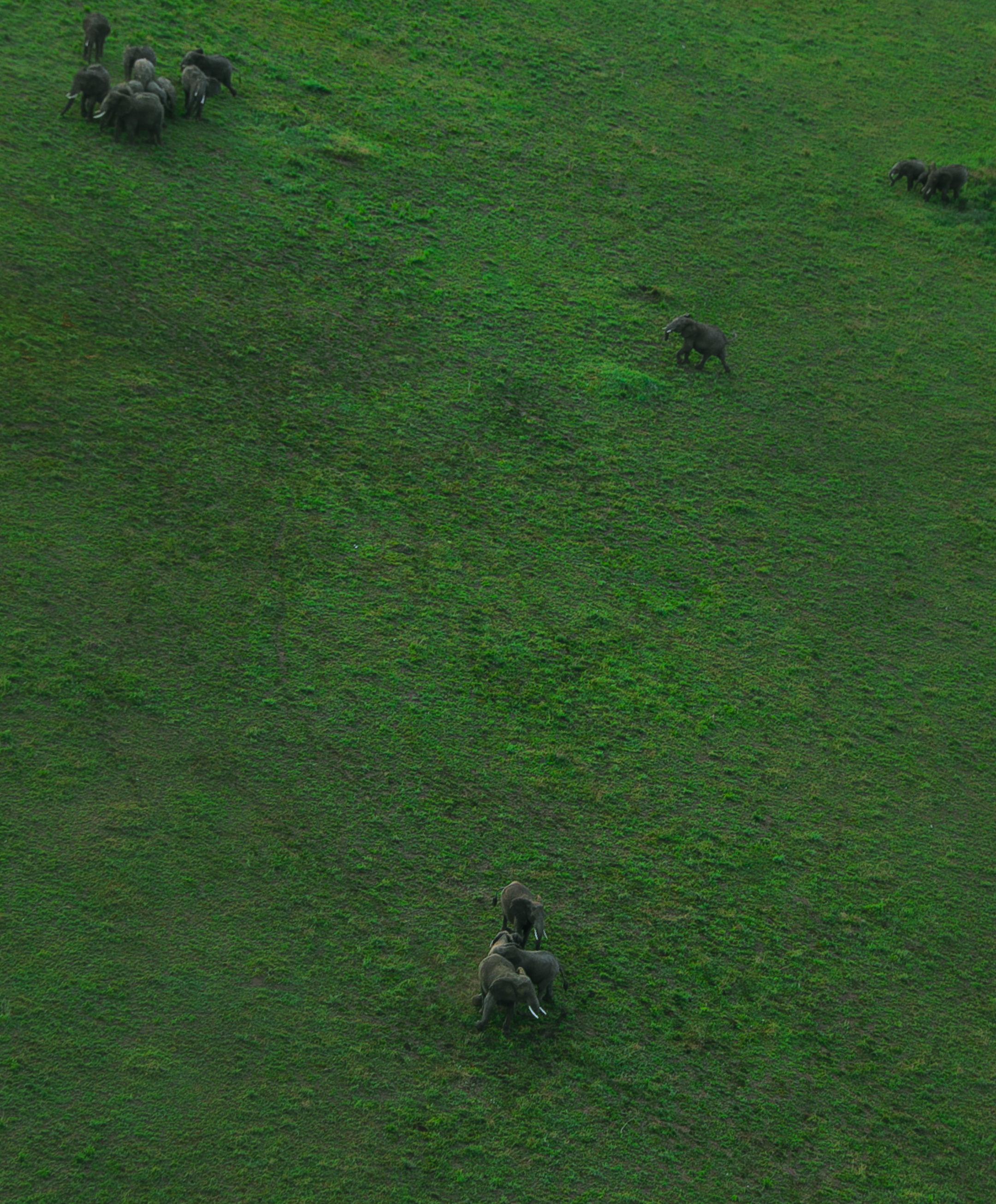 Tanzania
Tarangire National Park
Colossal elephant herds gathered along ancient riverbeds framed by thousand-year-old baobabs
“Ask for an itinerary that includes at least one full boat safari on the Rufiji — it's a genuinely different way of encountering wildlife that most of Tanzania's parks simply can't offer.”
Include Nyerere National Park
Our bespoke routes are never off-the-shelf. We handle all park authorizations, charter flights, and private luxury canvas allocations.

Ready to Walk the Grounds of Nyerere National Park?
Speak directly with our East African expedition directors to craft a private route connecting Nyerere National Park with the region’s finest wilderness camps.