
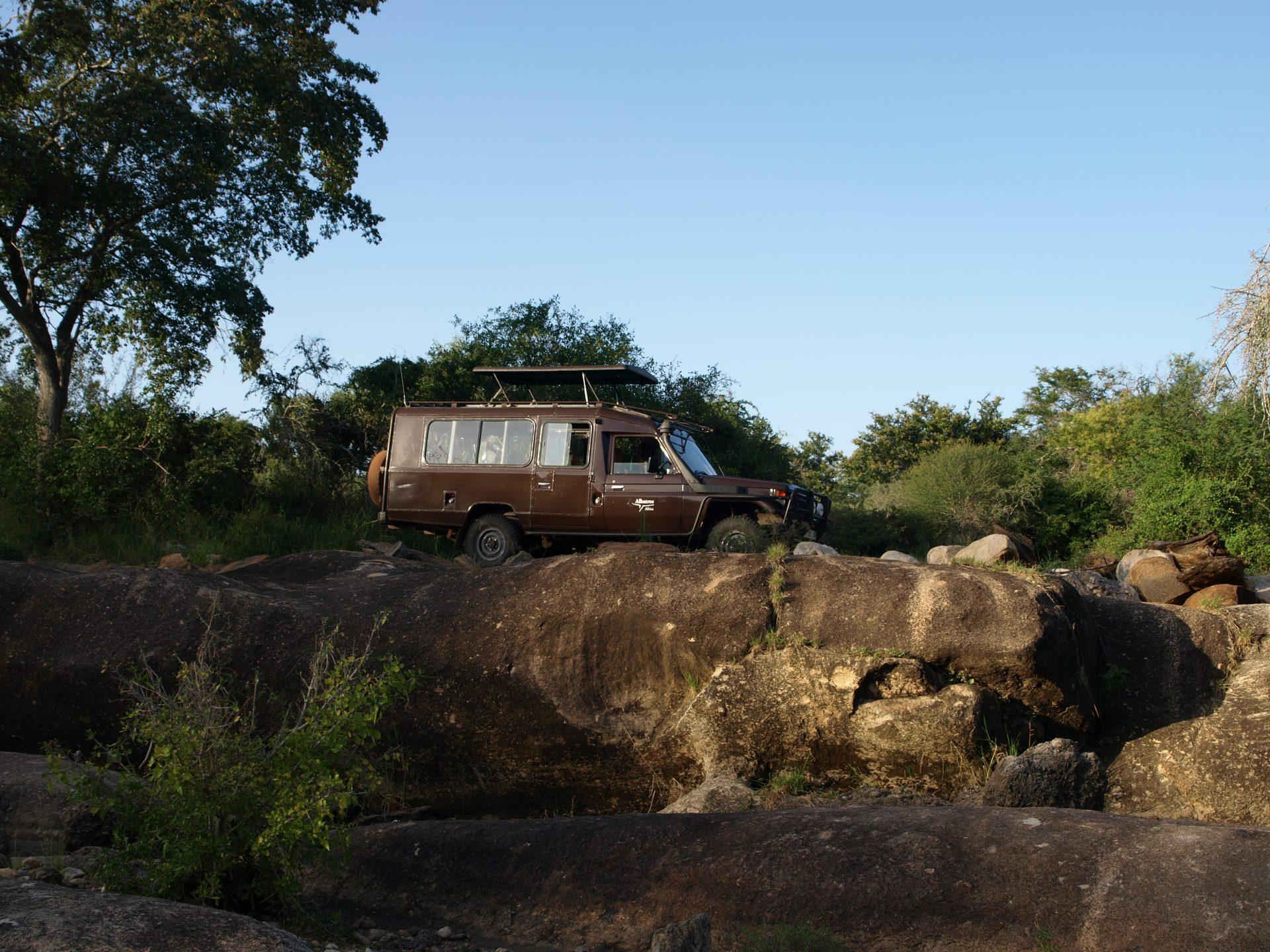
Mkomazi National Park
Mkomazi — named after the Mkomazi River, which rises in the Pare Mountains and skirts the reserve’s southern boundary
A remote, rhino-guarding wilderness on the Kenyan border, sharing its ecosystem with Tsavo
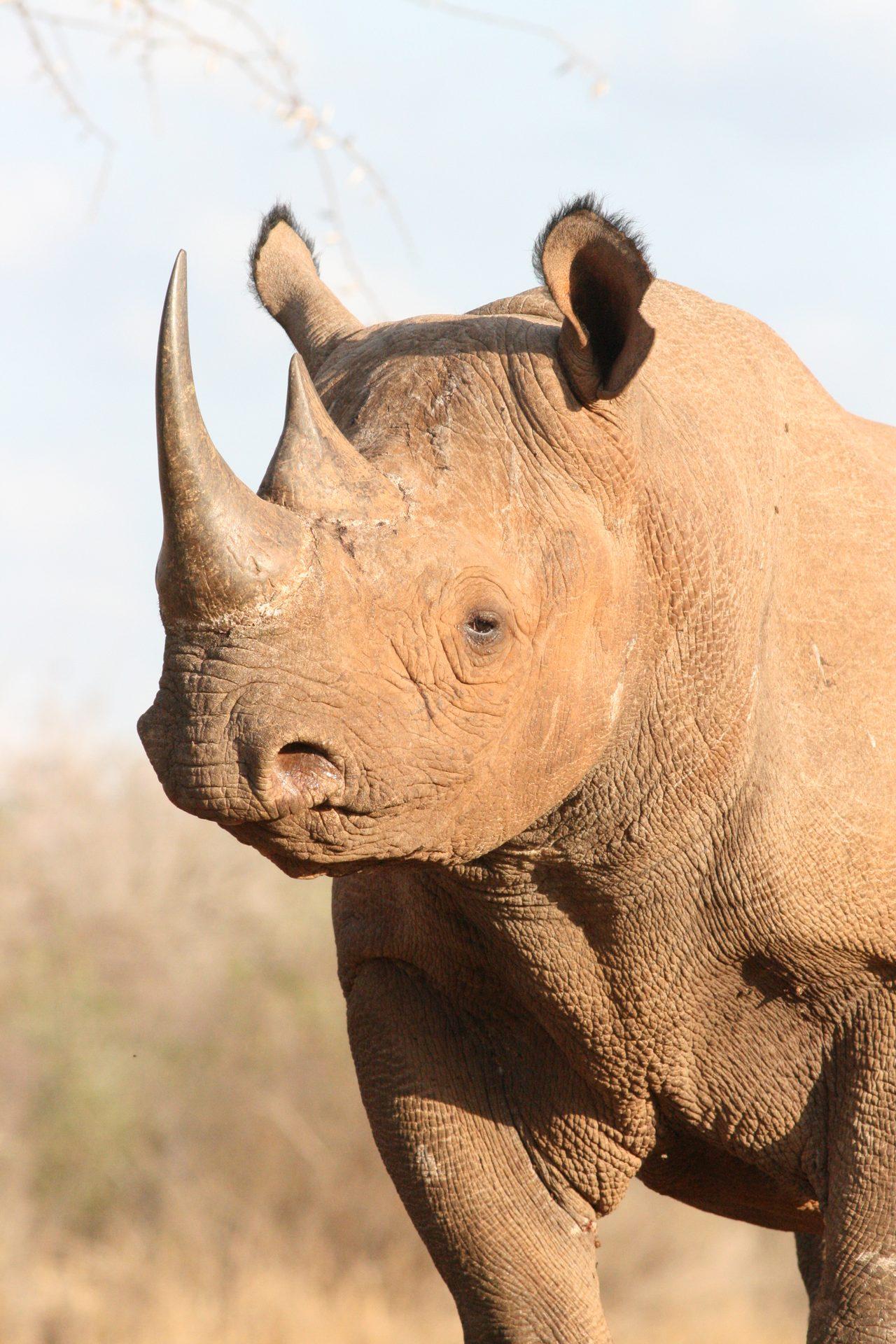
Photo: Nicola Avery, via Wikimedia Commons (CC BY-SA 2.0)
3,245 km² (1,253 sq mi)
Approx. 45–60 minute charter flight from Arusha (ARK), or a 4–5 hour road transfer from Arusha/Moshi via Same
Kisima Airstrip (near Same town)
TANAPA National Park Entry Permit; advance notice recommended for Rhino Sanctuary sector visits
The Soul of Mkomazi National Park
Sharing an unfenced border and a single ecosystem with Kenya’s Tsavo West, Mkomazi is Tanzania’s most remote and least visited major park — a vast, dry acacia-commiphora wilderness in the rain shadow of the Pare and Usambara Mountains. Elevated to national park status in 2008 after decades as a game reserve, it protects a fenced black rhino sanctuary as part of one of East Africa’s longer-running rhino recovery programs, alongside dry-country specialists such as gerenuk, fringe-eared oryx, and reticulated giraffe found nowhere else on Tanzania’s northern safari circuit. Sightings require patience and a good guide — this is genuine wilderness, not a game-drive circuit — but for travelers who have already done the Serengeti and Ngorongoro and want a wilder, quieter Tanzania, Mkomazi delivers it. We recommend it as an extension for repeat guests or dedicated birders and photographers rather than a first-time safari.
Semi-arid acacia-commiphora bushland and open plains at the foot of the Pare and Usambara Mountains, contiguous with Kenya’s Tsavo West
“This is Tsavo’s twin without the crowds — the same red dust, the same gerenuk standing tall on their hind legs to browse, and hardly another vehicle for miles.”
Tutoke Field Expeditions · Arusha & Kigali Ground Operations
Keystone Species & Tracking Insights
Field documentation by Tutoke Gold-Level Guides
Black Rhinoceros
Diceros bicornis
Mkomazi is home to one of Tanzania’s longest-running black rhino protection and reintroduction programs, run inside a fenced, intensively monitored sanctuary — one of only a few places in the country where a black rhino sighting can be reliably arranged outside Ngorongoro.
Gerenuk
Litocranius walleri
This long-necked, dry-country antelope browses standing fully upright on its hind legs, reaching leaves other browsers can’t — a signature sighting of the Somali-Maasai arid bush that Mkomazi shares with Tsavo.
Fringe-eared Oryx
Oryx beisa callotis
Mkomazi and neighboring Tsavo mark close to the southern limit of this Beisa oryx subspecies’ range, distinguished from its northern relatives by the dark tufts of hair fringing its ears.
African Wild Dog
Lycaon pictus
Mkomazi has hosted a dedicated wild dog breeding and reintroduction program, part of wider efforts to rebuild the species’ numbers across the Tsavo-Mkomazi ecosystem — sightings are a genuine highlight given how rare this pack-hunting carnivore has become continent-wide.
Month-by-Month Migration & Climate Guide
Select any month below to analyze expected animal density, weather conditions, and seasonal photography light.
Wildlife Movements & Activity
Water points shrink and wildlife concentrates around them; a strong month for Rhino Sanctuary visits.
Preparation & Wilderness Protocols
Airstrips & Air Transfers
Charter flights land at Kisima airstrip near Same, roughly 45–60 minutes from Arusha; road transfer via the Arusha–Mombasa highway takes 4–5 hours.
Health, Altitude & Inoculations
Malaria prophylaxis advised. This is a low-traffic, low-infrastructure park — carry more water and sun protection than usual, and confirm medical evacuation cover before travel given the distance to Arusha’s hospitals.
Clothing & Photographic Gear
Durable, neutral-tone clothing suited to dust and thorn scrub; sturdy closed shoes are essential given the dense commiphora and acacia thicket in places.
Permit Securing & Conservation Fees
TANAPA entry permits apply park-wide; Rhino Sanctuary visits need advance booking through park authorities, which Tutoke coordinates directly given limited daily access slots.
Recommended Destinations
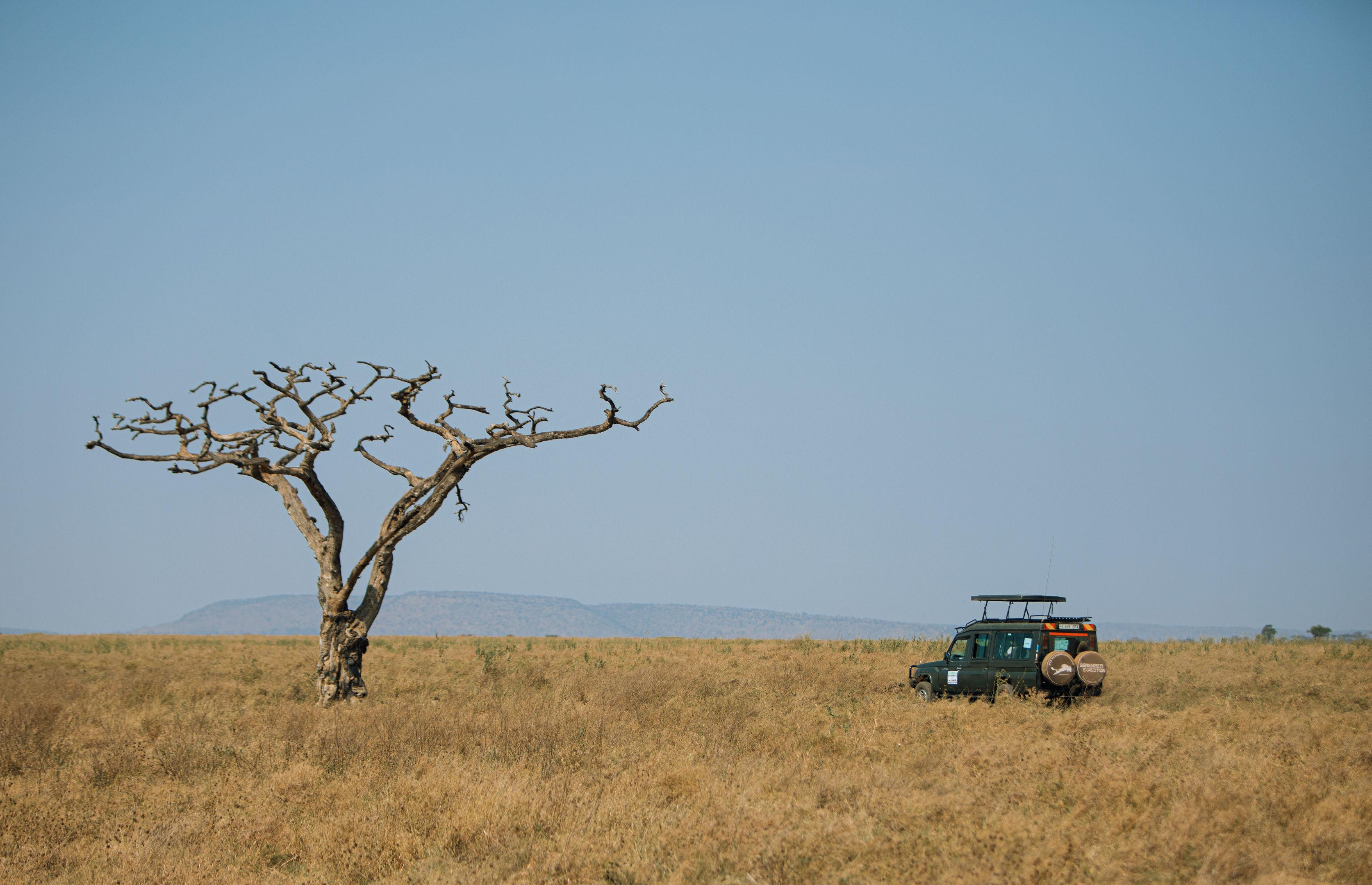 Tanzania
Serengeti National Park
The world’s most celebrated savanna ecosystem and stage of the Great Migration
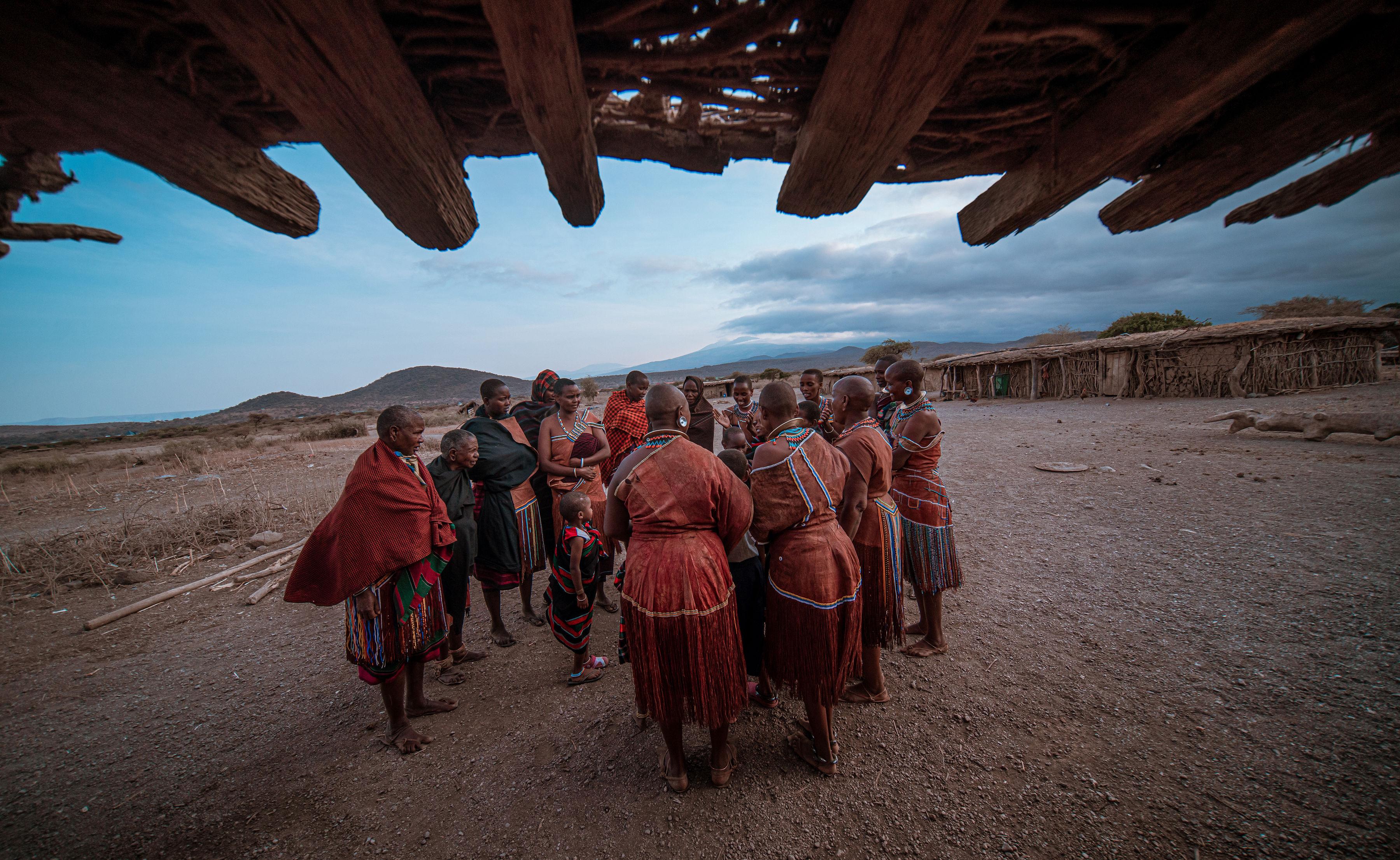 Tanzania
Ngorongoro Conservation Area
An intact volcanic caldera harboring 25,000 large mammals and ancient hominid history
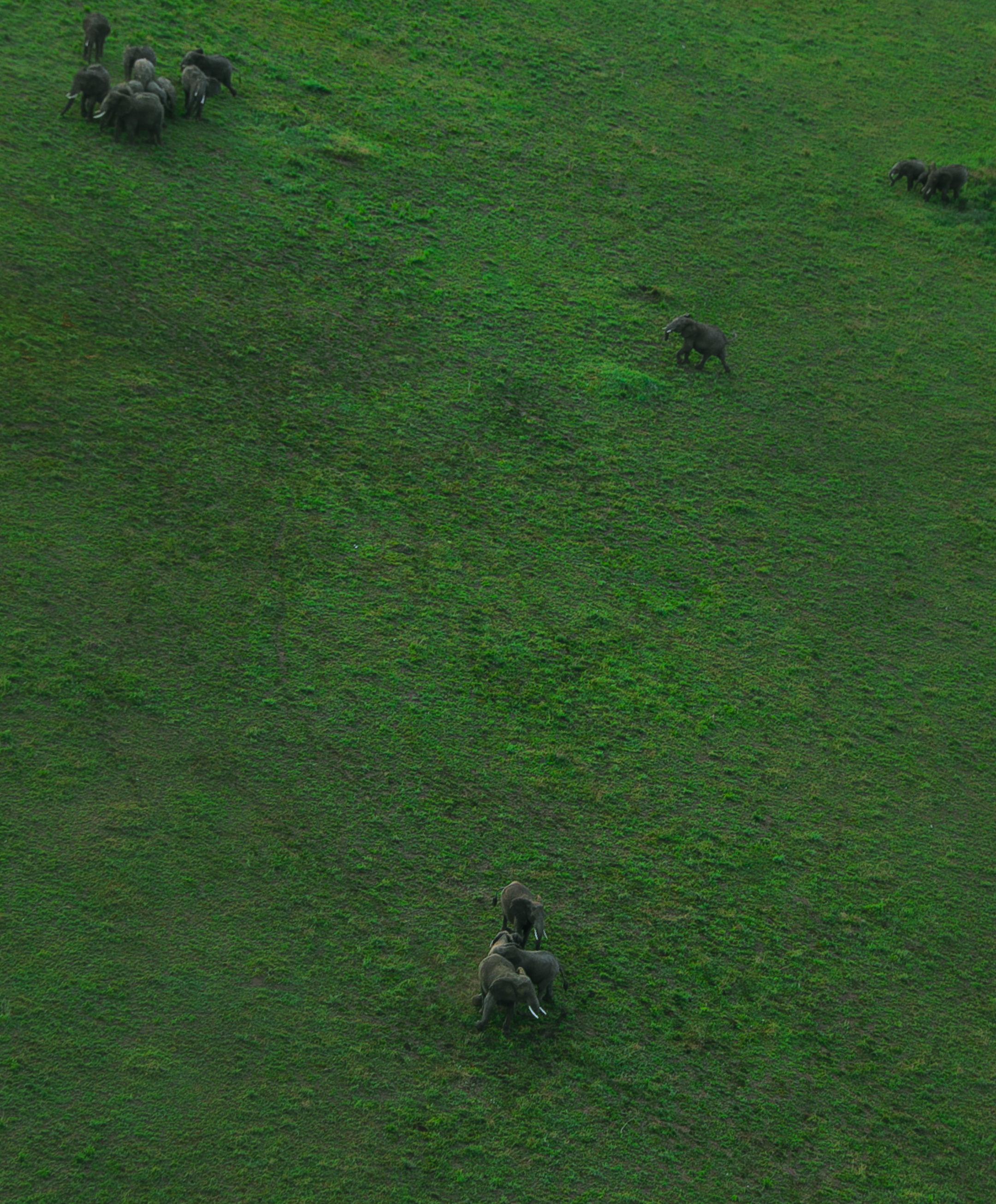 Tanzania
Tarangire National Park
Colossal elephant herds gathered along ancient riverbeds framed by thousand-year-old baobabs
“Arrange Rhino Sanctuary access in advance through the park authority — sightings are tightly managed and require advance notice, but the payoff is one of Tanzania’s few reliable black rhino encounters outside Ngorongoro.”
Include Mkomazi National Park
Our bespoke routes are never off-the-shelf. We handle all park authorizations, charter flights, and private luxury canvas allocations.
Ready to Walk the Grounds of Mkomazi National Park?
Speak directly with our East African expedition directors to craft a private route connecting Mkomazi National Park with the region’s finest wilderness camps.