
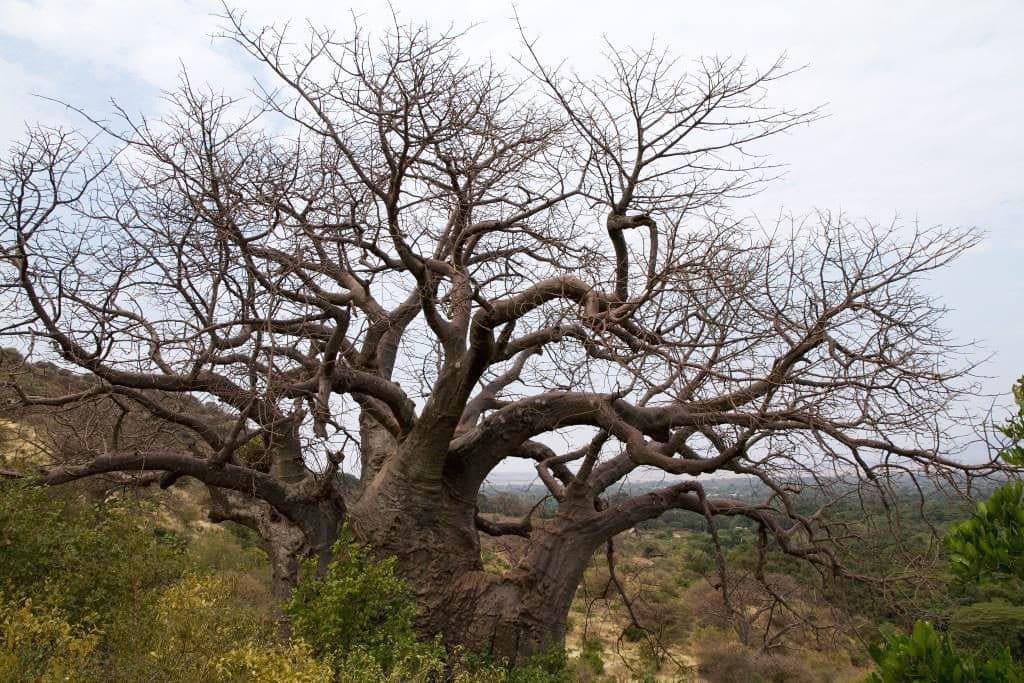
Lake Manyara National Park
Manyara — from "Emanyara," the Maa word for the Euphorbia tirucalli hedges Maasai herders build around cattle enclosures along the lake shore
A narrow ribbon of groundwater forest and soda lake beneath the Rift Valley wall, famous for tree-climbing lions
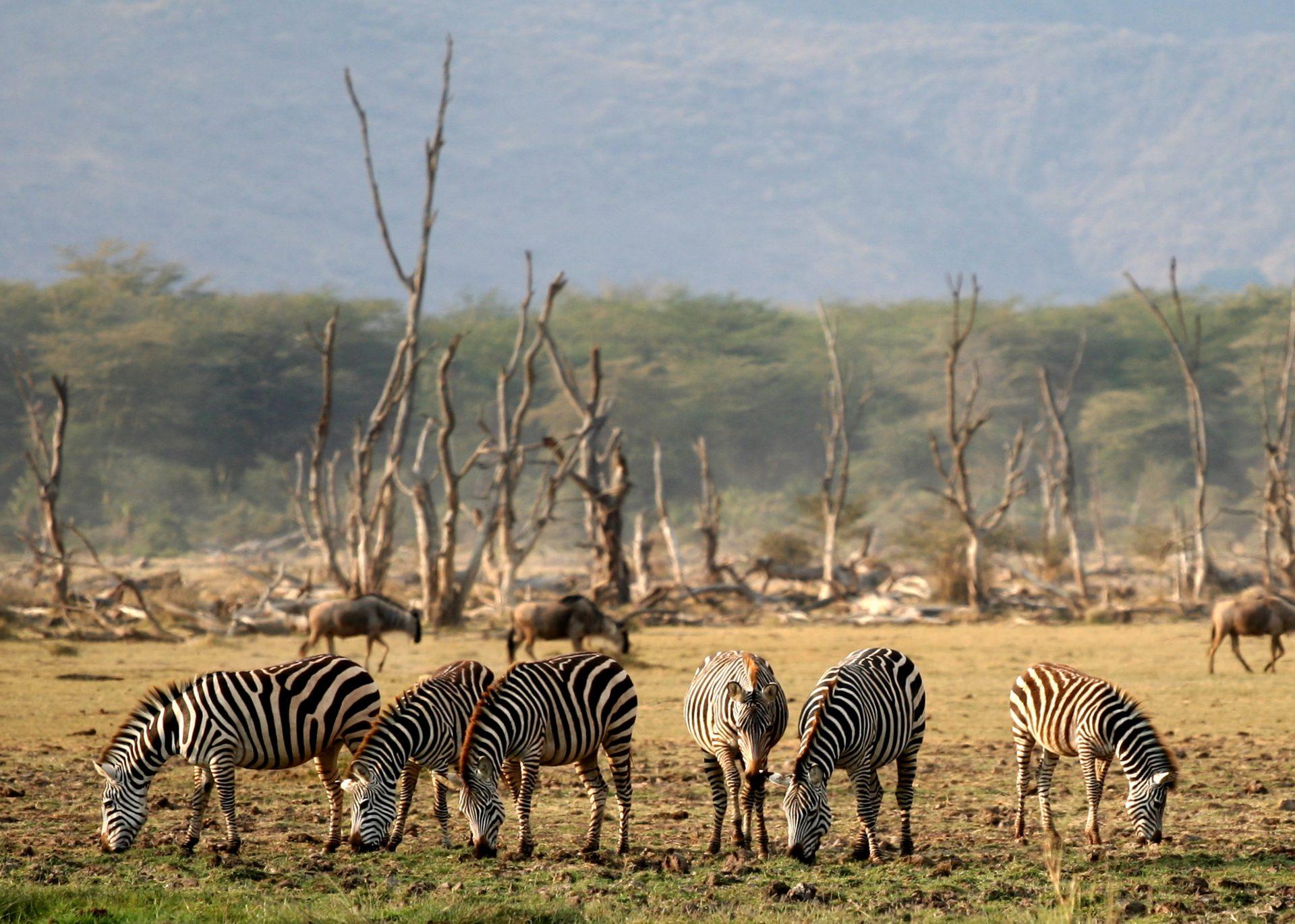
Photo: LoJallen, via Wikimedia Commons (CC BY-SA 4.0)
330 km² (127 sq mi), roughly two-thirds of which is the lake itself
20–30 minute flight from Arusha (ARK), or a 90-minute road transfer via Mto wa Mbu
Lake Manyara Airstrip (LKY)
TANAPA National Park Entry Permit
The Soul of Lake Manyara National Park
Pressed into a narrow strip between the sheer wall of the Great Rift Valley escarpment and the shimmering soda expanse of Lake Manyara, this park punches far above its modest size. Groundwater forest fed by underground springs gives way to acacia woodland and open floodplain, concentrating dense elephant herds and one of Africa’s largest documented baboon populations into a compact, easily explored circuit. Manyara is best known for lions with the unusual habit of climbing into the flat crowns of acacia and fig trees — a behavior nobody has fully explained — and for the flocks of flamingos that can turn the shoreline pink when water levels cooperate. We build it into the Northern Circuit as a rewarding half-day or overnight stop between Arusha and Ngorongoro, timed for the dry season when wildlife funnels down toward the retreating shoreline.
A narrow shelf between the Rift Valley escarpment and a shallow soda lake, spanning groundwater forest, acacia woodland, and floodplain grassland
“Find a lion draped over a horizontal acacia branch with all four paws dangling, and you’re looking at one of the most photographed mysteries in African ecology.”
Tutoke Field Expeditions · Arusha & Kigali Ground Operations
Keystone Species & Tracking Insights
Field documentation by Tutoke Gold-Level Guides
Tree-Climbing Lion
Panthera leo
Manyara’s lions are famous for lounging in the flat crowns of umbrella acacias — a behavior seen reliably in only a handful of African populations. No single theory fully explains it; the leading guesses are relief from biting insects and ground heat, and a better vantage point over the floodplain.
African Bush Elephant
Loxodonta africana
Manyara’s elephants are well habituated to vehicles after decades of low-impact tourism, allowing genuinely close, calm sightings of family herds moving through the fig and mahogany forest.
Olive Baboon
Papio anubis
Manyara hosts one of the largest and longest continuously studied baboon populations in Africa, with troop dynamics research here informing much of what is known about primate social structure.
Lesser & Greater Flamingo
Phoeniconaias minor / Phoenicopterus roseus
When conditions cooperate, flamingo congregations here can number in the tens of thousands, feeding on the algae that thrive in the lake’s alkaline chemistry — though numbers vary considerably year to year with water levels.
Month-by-Month Migration & Climate Guide
Select any month below to analyze expected animal density, weather conditions, and seasonal photography light.
Wildlife Movements & Activity
Wildlife concentrates near the retreating lake edge; good early tree-climbing lion sightings in leafless acacia.
Where We Stay in Lake Manyara National Park
 Lake Shore Sanctuary
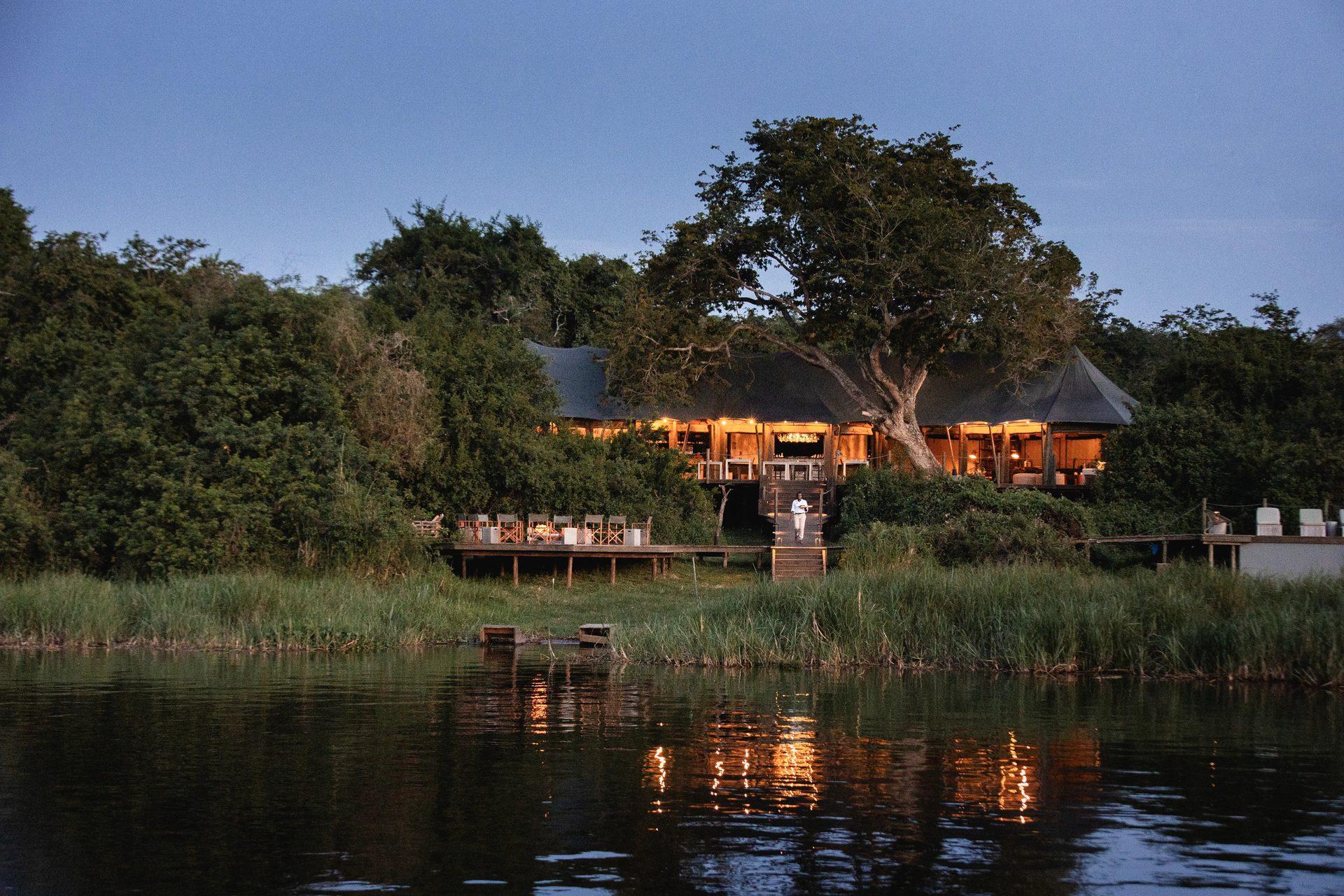
Magashi Camp
Wilderness’s 8 tented suites sit on a private peninsula on Lake Rwanyakazinga — Akagera’s only private-access concession, meaning guests share the wilderness with no other camp’s vehicles. The lake setting brings Big Five game viewing and boat-based birding (Akagera holds over 520 recorded bird species) into the same stay.
 Lake Shore Sanctuary
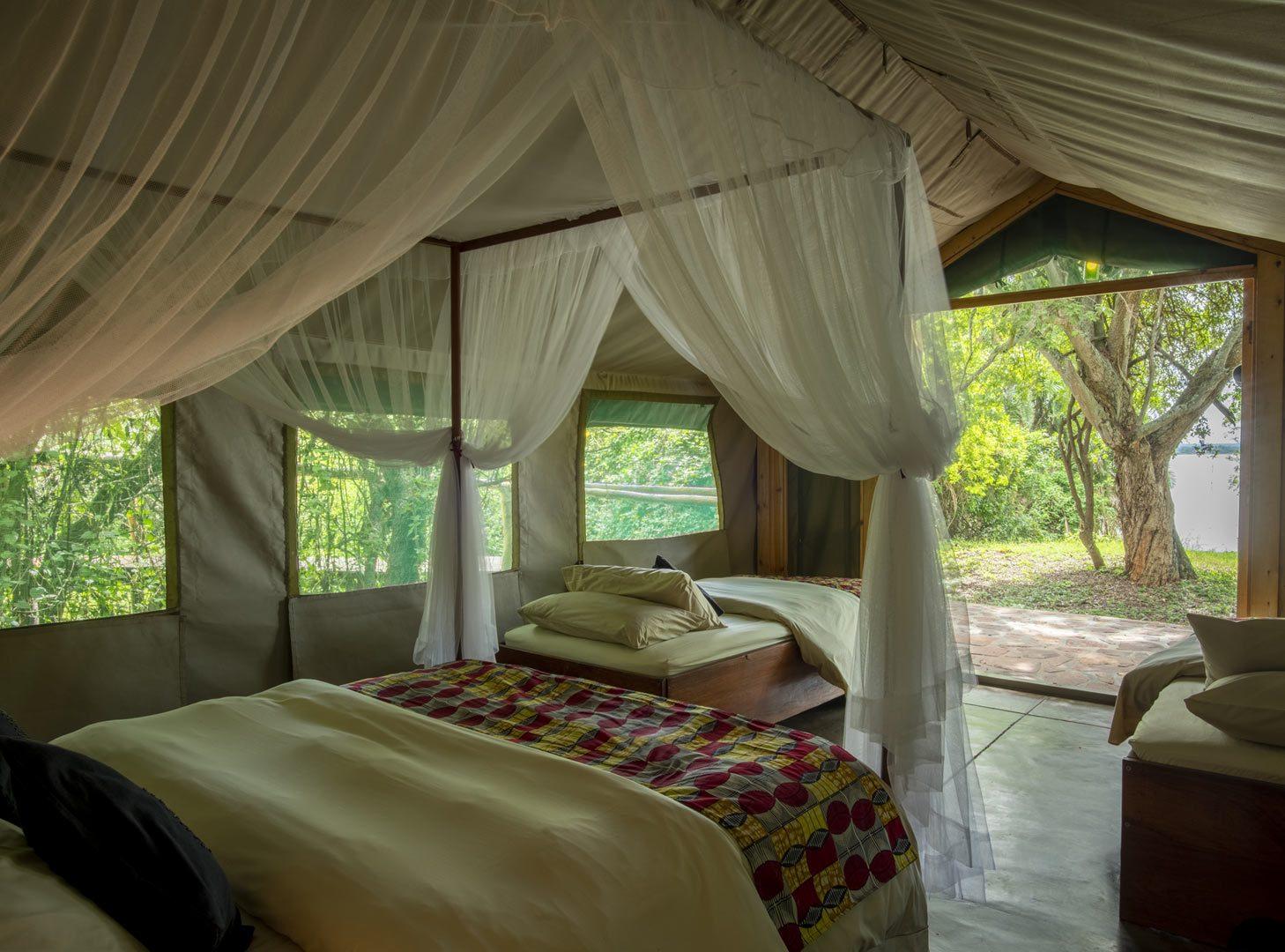
Ruzizi Tented Lodge
Opened in 2012 and designed, built, and wholly operated by Akagera’s own park management (not leased to an external operator), Ruzizi sits on the Lake Ihema shoreline about 6km inside the park’s southern entrance. Nine tents across three categories (seven classic ensuite, one elevated tree-top tent, one family tent) run entirely on solar power, with all profits directed back into park operations and conservation.
 Lake Shore Sanctuary
Lake Kivu Serena Hotel
Part of the Serena Hotels group, this 66-room lakefront resort in Gisenyi has its own private stretch of palm-lined shoreline on Lake Kivu, with views across the water toward the Virunga volcanoes. An 18-meter pool, spa, and water sports sit alongside the more standard resort amenities — the most established international-chain option on this shore of the lake.
 Lake Shore Sanctuary
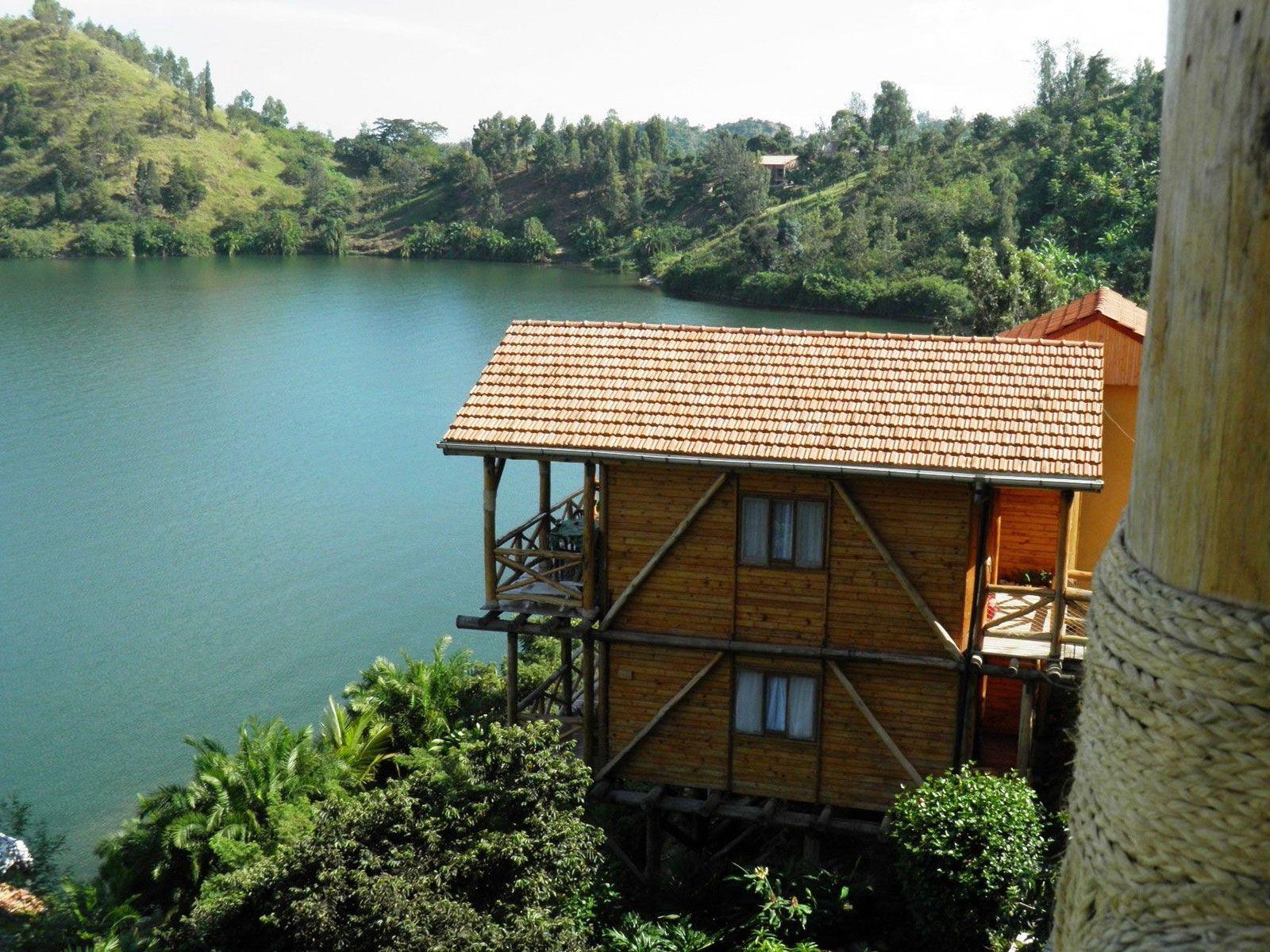
Cormoran Lodge
A small, seven-room wooden lodge on Lake Kivu’s eastern shore at Kibuye, including a VIP cabin with a view toward the Nyiragongo volcano across the water. A lakeside restaurant and simple, quiet setting make it a mid-tier alternative to the Serena resort further north.
 Lake Shore Sanctuary
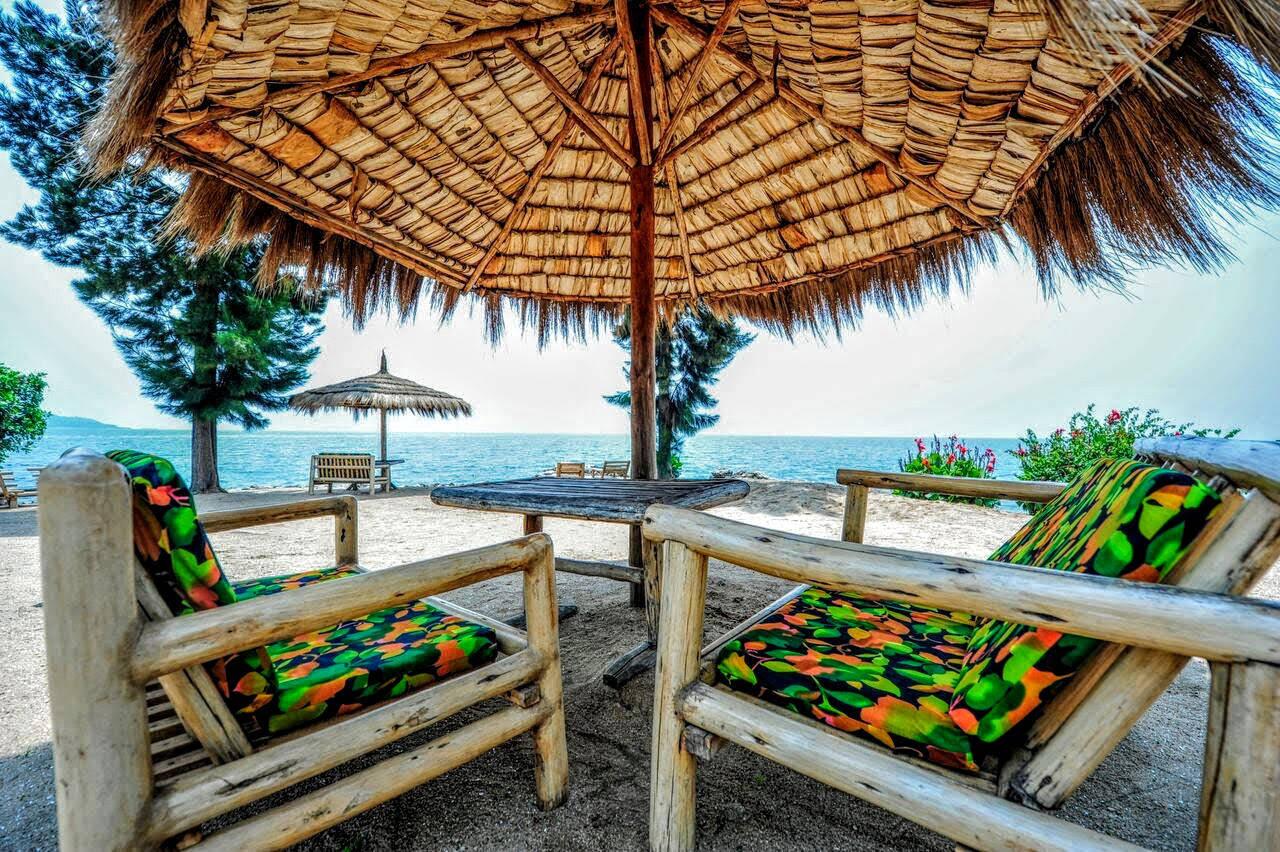
Paradise Malahide
Ten simple, rustic bungalows built from local wood and volcanic rock, directly on Lake Kivu’s shore about 7km south of Gisenyi. Rooms deliberately have no TV or Wi-Fi — the property’s own positioning is quiet immersion in the setting, with kayaking and lakeside dining as the main draws, at the most accessible price point on this shore of the lake.
Preparation & Wilderness Protocols
Airstrips & Air Transfers
Lake Manyara Airstrip (LKY) receives short scheduled flights from Arusha; most itineraries instead combine it with a 90-minute road transfer en route to or from Ngorongoro and Tarangire.
Health, Altitude & Inoculations
Malaria prophylaxis is strongly advised — the groundwater forest and lakeshore habitats support significant mosquito populations, particularly after the rains.
Clothing & Photographic Gear
Lightweight neutral clothing for the humid forest sections; a hat and sun protection for the open floodplain stretches where shade is scarce.
Permit Securing & Conservation Fees
TANAPA day-entry permits apply; because the park is narrow and can be driven in a single day, we typically pair it with an overnight stay just outside the gate rather than inside the park itself.
Recommended Destinations
 Tanzania
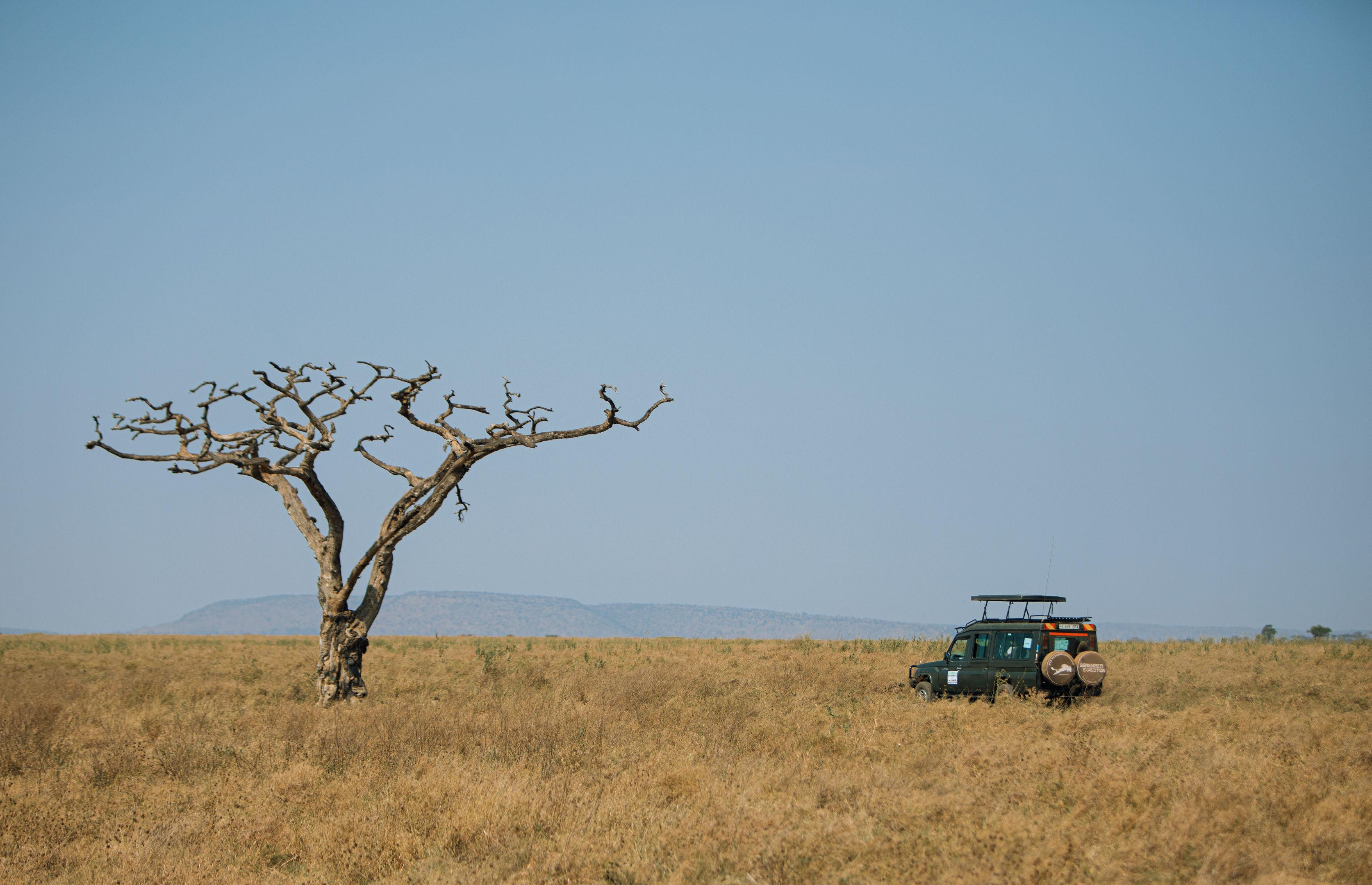
Serengeti National Park
The world’s most celebrated savanna ecosystem and stage of the Great Migration
 Tanzania
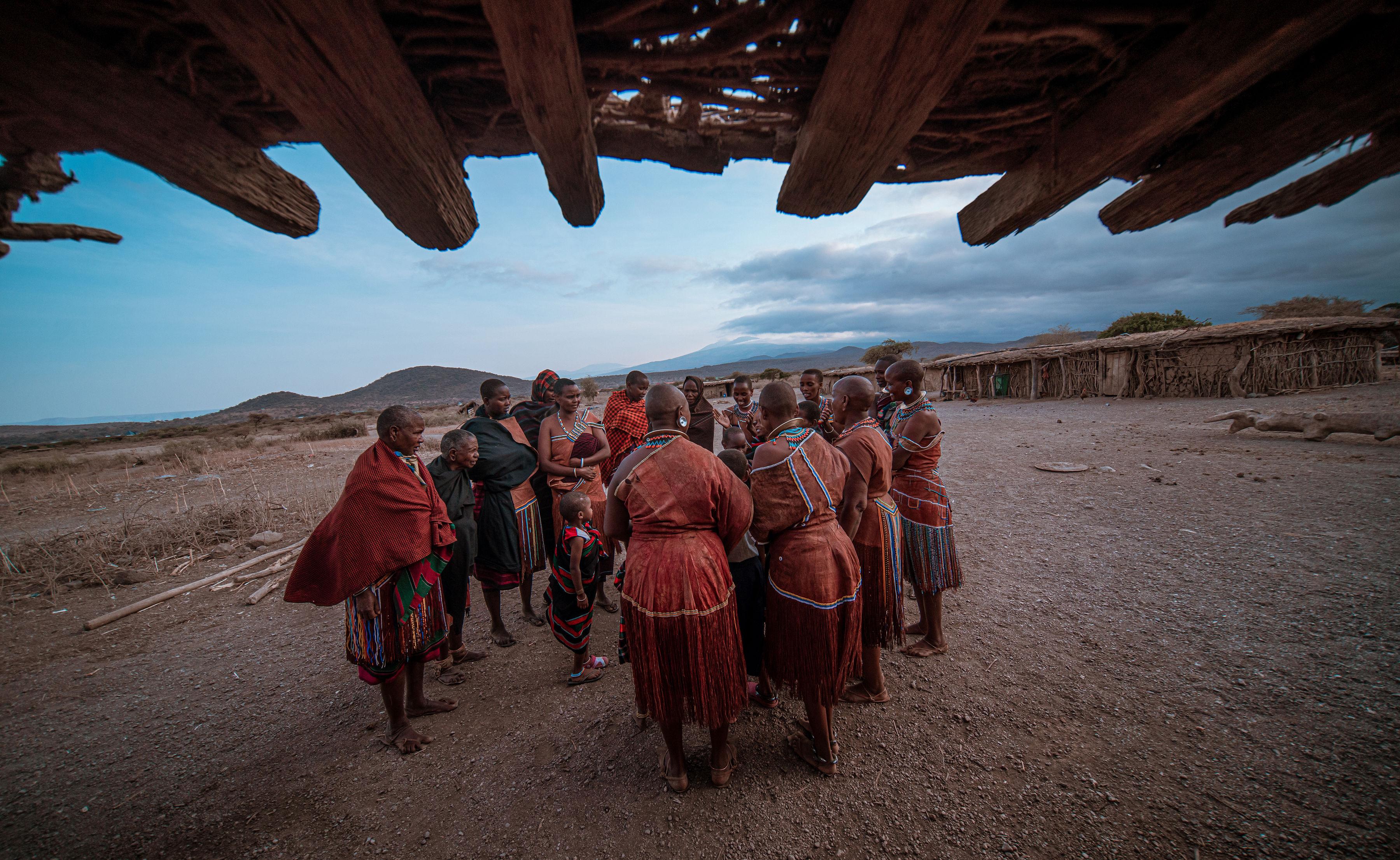
Ngorongoro Conservation Area
An intact volcanic caldera harboring 25,000 large mammals and ancient hominid history
 Tanzania
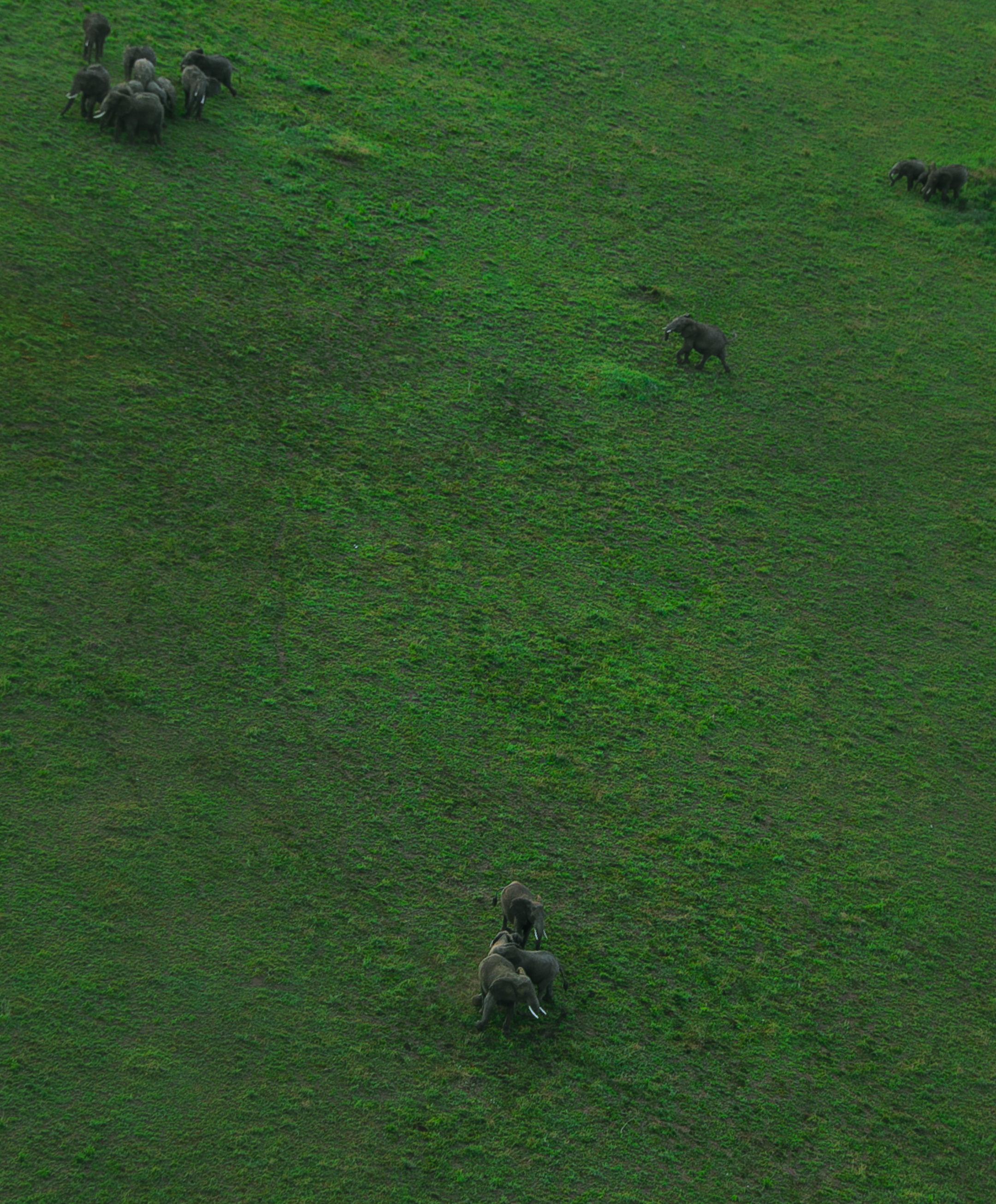
Tarangire National Park
Colossal elephant herds gathered along ancient riverbeds framed by thousand-year-old baobabs
“Visit in the dry months (Jun–Oct) and scan the flat-topped acacia and fig trees near the escarpment base first — that’s where the tree-climbing lions are found most consistently.”
Include Lake Manyara National Park
Our bespoke routes are never off-the-shelf. We handle all park authorizations, charter flights, and private luxury canvas allocations.
Ready to Walk the Grounds of Lake Manyara National Park?
Speak directly with our East African expedition directors to craft a private route connecting Lake Manyara National Park with the region’s finest wilderness camps.