
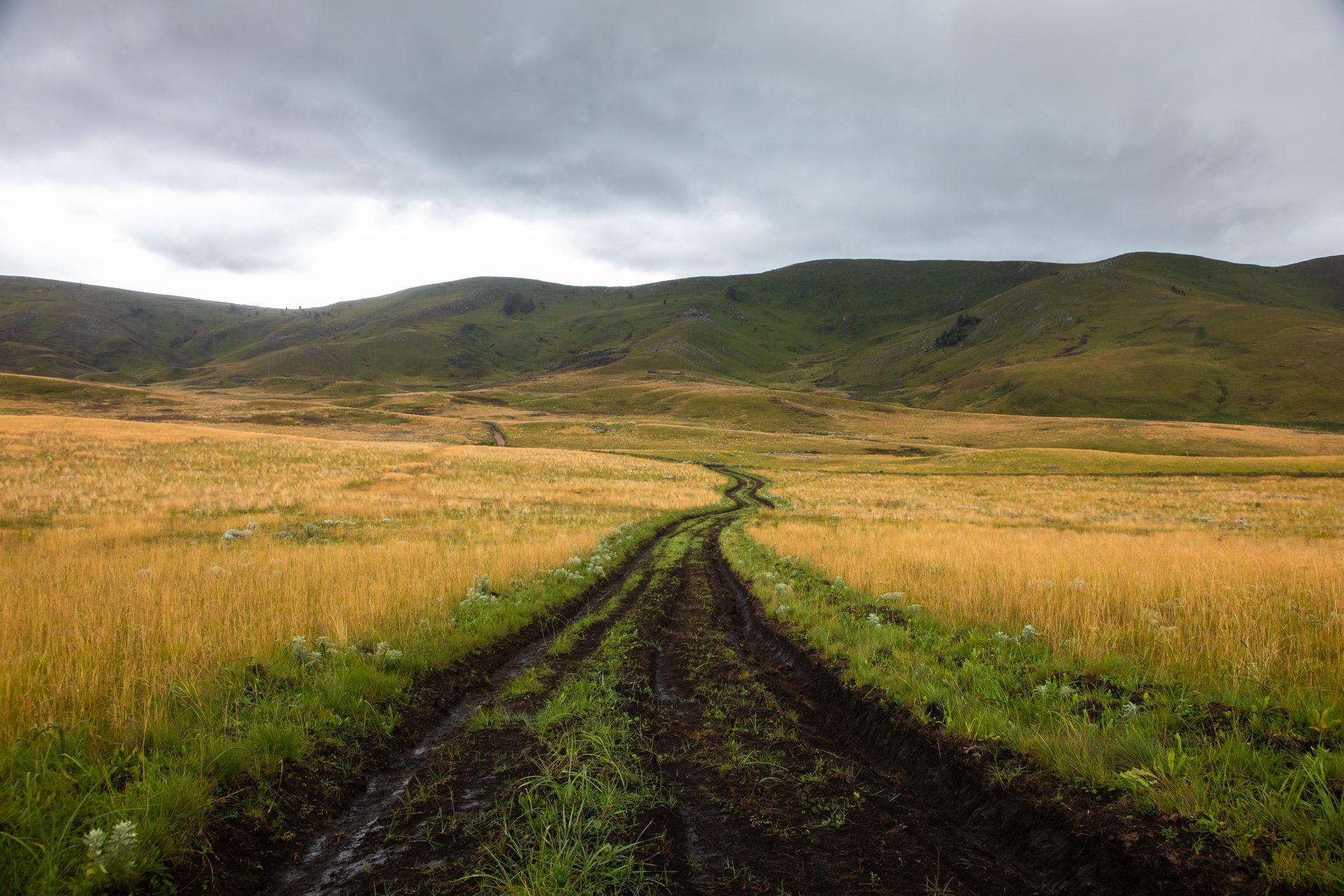
Kitulo National Park
Bustani ya Mungu — "The Garden of God"
A high-altitude wildflower and orchid plateau — a botanical and hiking destination, not a big-game safari
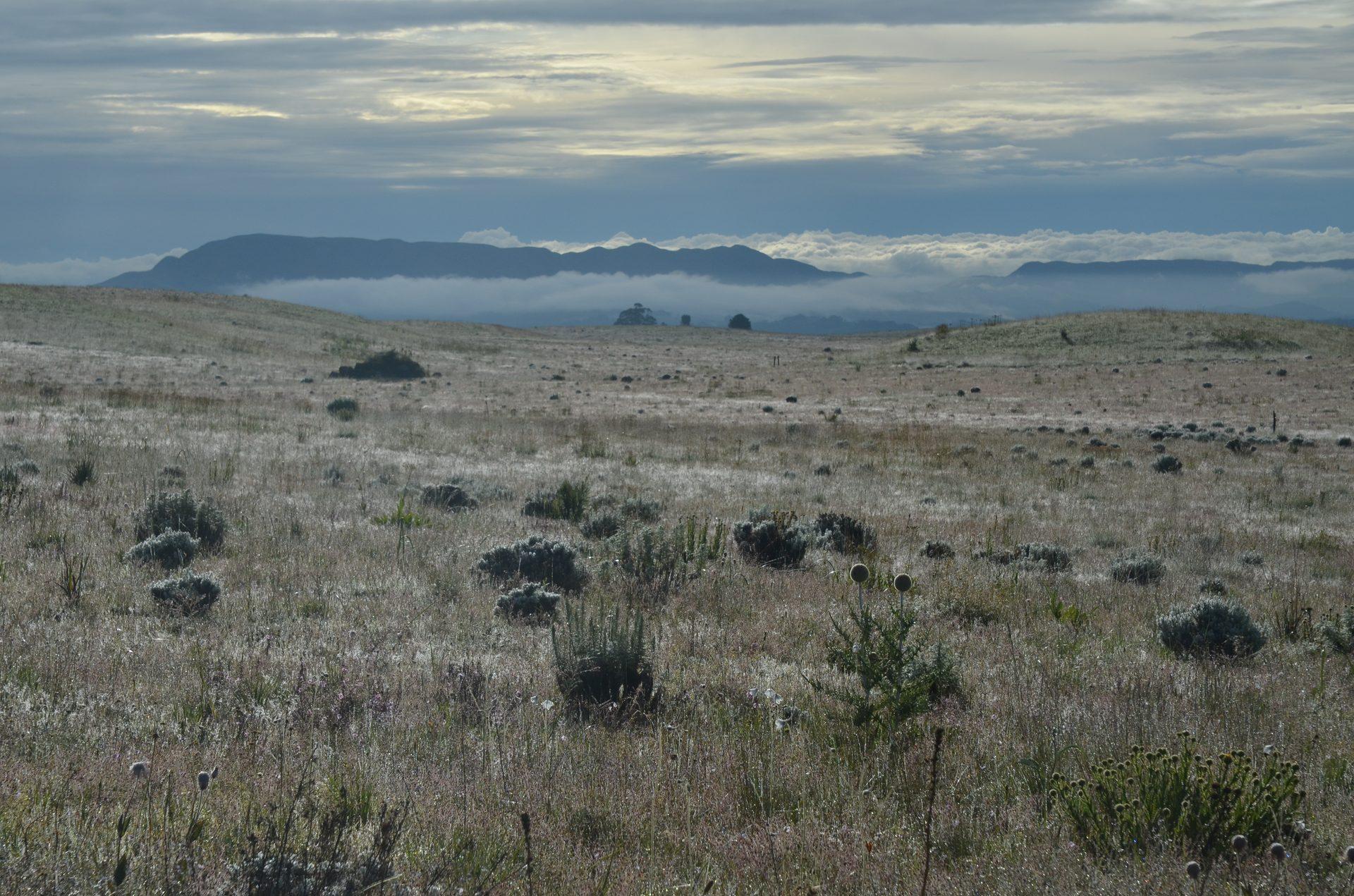
Photo: Daniel Msirikale, via Wikimedia Commons (CC BY-SA 4.0)
412.9 km²
N/A — approx. 2.5–3 hour road transfer from Mbeya Airport
None — road access only; nearest airport is Mbeya (MBI)
TANAPA National Park Entry Permit
The Soul of Kitulo National Park
Kitulo turns the usual Tanzania safari brief on its head. It was established in 2005 as Tanzania's first national park created primarily to protect plants rather than animals, and this cool, high-altitude plateau above Mbeya bursts into one of Africa's great wildflower and orchid displays each rainy season — over 350 recorded plant species, dozens of them orchids found nowhere else on Earth. Wildlife here is real but modest: reedbuck, eland, elusive leopard, and a clutch of rare highland birds including the endangered Blue Swallow. We position Kitulo honestly, as a botanical and hiking add-on for guests who want cool air, big skies and genuinely rare flora — not as a substitute for a game-viewing safari.
Rolling high-altitude montane grassland plateau ringed by the Kipengere, Poroto and Livingstone mountain ranges, cut through by streams, waterfalls and pockets of montane forest
“Local people call this plateau Bustani ya Mungu — the Garden of God — and once you're kneeling in a carpet of wild orchids at 2,600 metres with cloud shadow racing across the grassland, the name stops sounding like marketing.”
Tutoke Field Expeditions · Arusha & Kigali Ground Operations
Keystone Species & Tracking Insights
Field documentation by Tutoke Gold-Level Guides
Wild Orchids
Incl. Disa, Habenaria & Satyrium spp.
This grassland carries one of the richest terrestrial orchid displays anywhere in Africa. Diversity here is a direct product of altitude and cool, misty growing conditions rather than the dense forest canopy most orchid habitats depend on.
Blue Swallow
Hirundo atrocaerulea
This glossy, deep-blue swallow is a serious draw for birders precisely because so few breeding sites remain across its African range — Kitulo's montane grassland is one of the most reliable.
Kipunji
Rungwecebus kipunji
Formally described only in 2005, the kipunji was one of the most significant primate discoveries in decades. We mention it here honestly: sightings are the preserve of the neighboring forest, not the grassland plateau most visitors walk.
Denham's Bustard
Neotis denhami
A large, ground-dwelling bird that relies on exactly the kind of undisturbed high-altitude grassland Kitulo protects — its presence here is itself a marker of the plateau's ecological health.
Month-by-Month Migration & Climate Guide
Select any month below to analyze expected animal density, weather conditions, and seasonal photography light.
Wildlife Movements & Activity
Wildflowers and orchids in full bloom across the plateau.
Preparation & Wilderness Protocols
Airstrips & Air Transfers
Kitulo has no scheduled airstrip. The practical gateway is Mbeya Airport (MBI), followed by a 2.5–3 hour road transfer up onto the plateau — this is a drive-in destination, not a fly-in one.
Health, Altitude & Inoculations
No particular altitude or malaria concerns beyond standard East Africa precautions, but nights are genuinely cold — frost is possible June–August — so cold-weather preparedness matters more here than at any other Tutoke destination.
Clothing & Photographic Gear
Warm layers are non-negotiable: fleece, hat and gloves for dawn walks even in the "warm" wet season, sturdy waterproof hiking boots for wet grassland underfoot, and a proper rain shell during the Dec–Apr bloom.
Permit Securing & Conservation Fees
Standard TANAPA park fees apply. Kitulo sees only a trickle of visitors, so there is no advance-booking pressure — the real planning priority is timing the visit to the December–April flowering window.
Recommended Destinations
 Tanzania
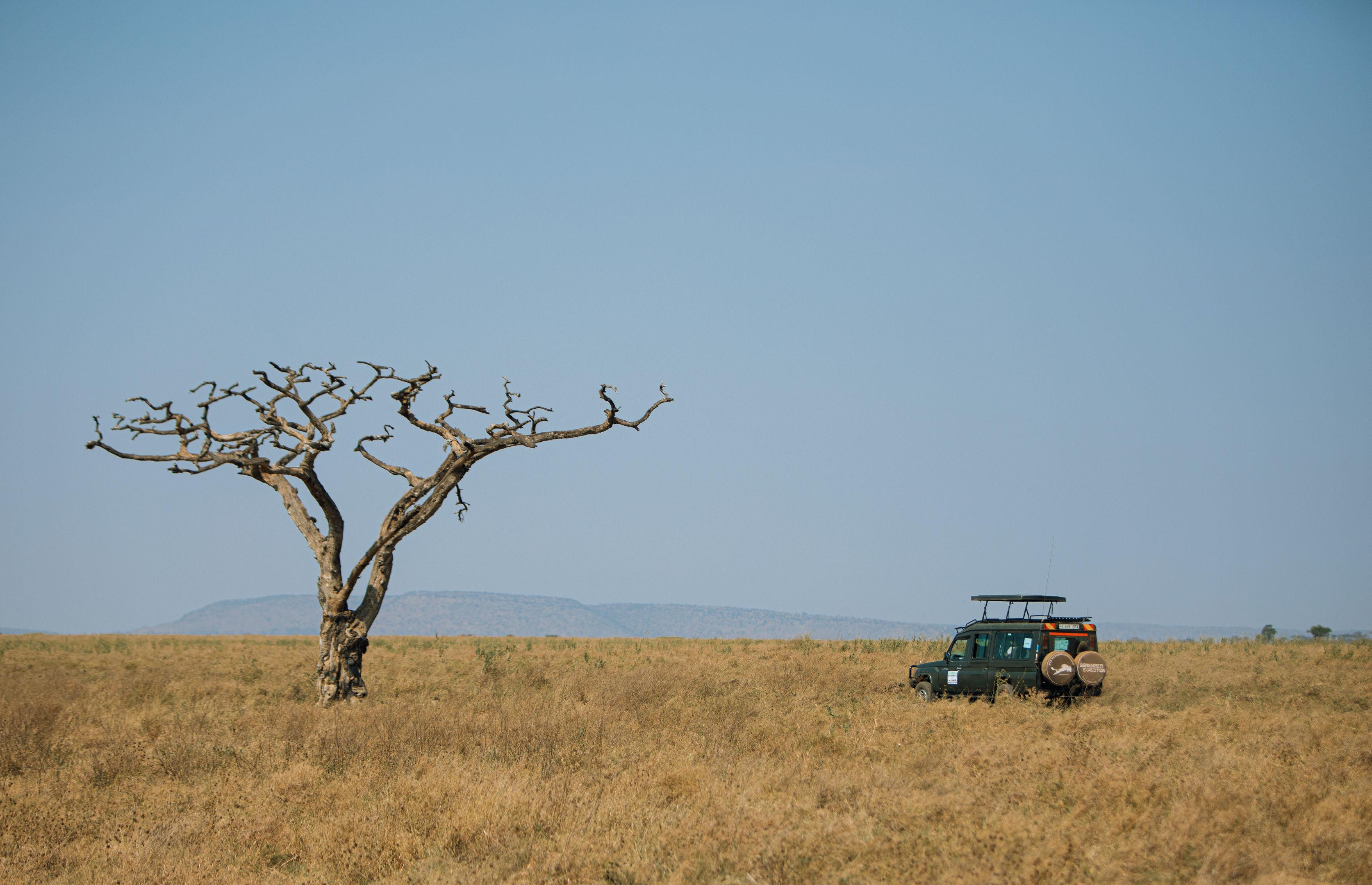
Serengeti National Park
The world’s most celebrated savanna ecosystem and stage of the Great Migration
 Tanzania
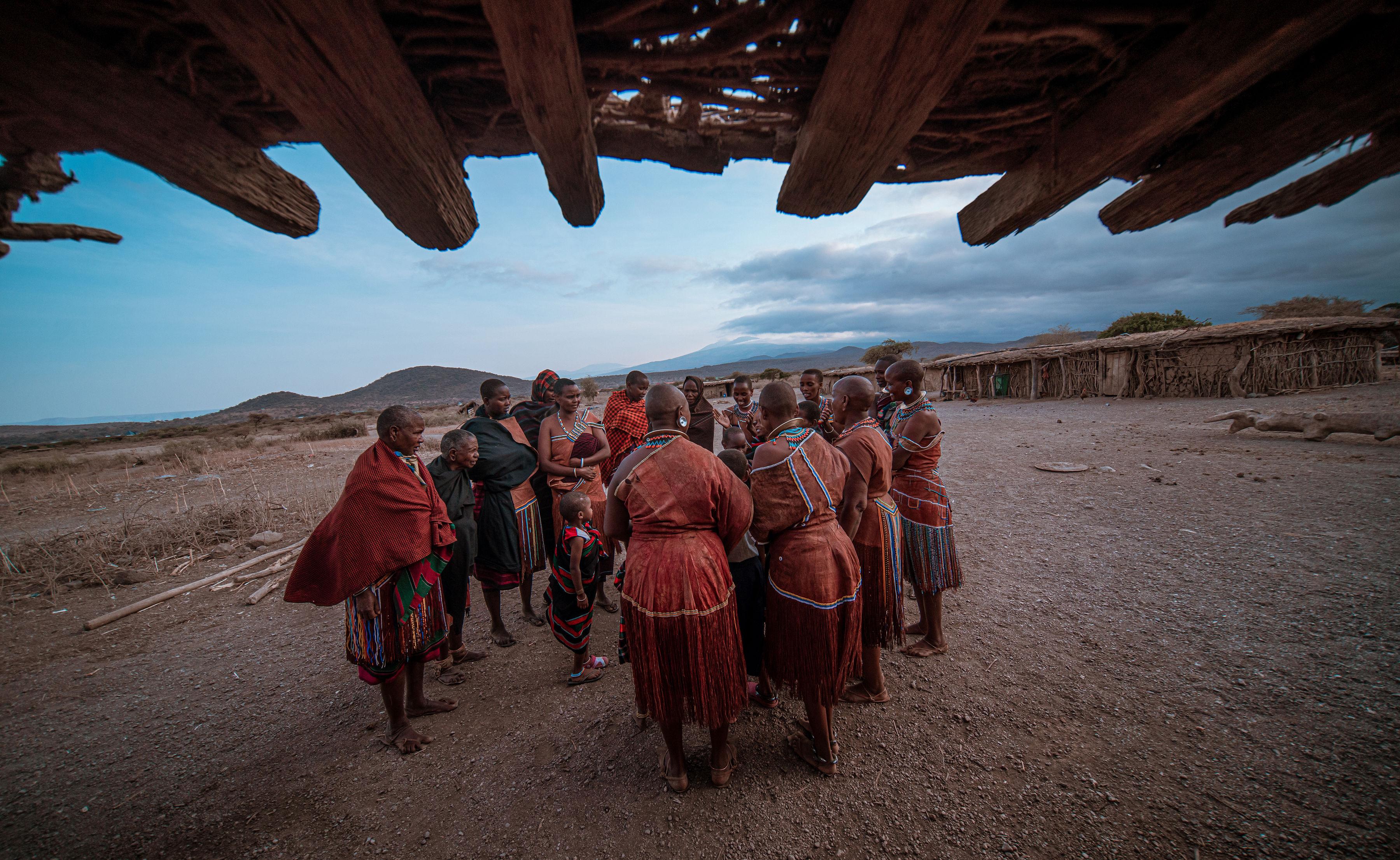
Ngorongoro Conservation Area
An intact volcanic caldera harboring 25,000 large mammals and ancient hominid history
 Tanzania
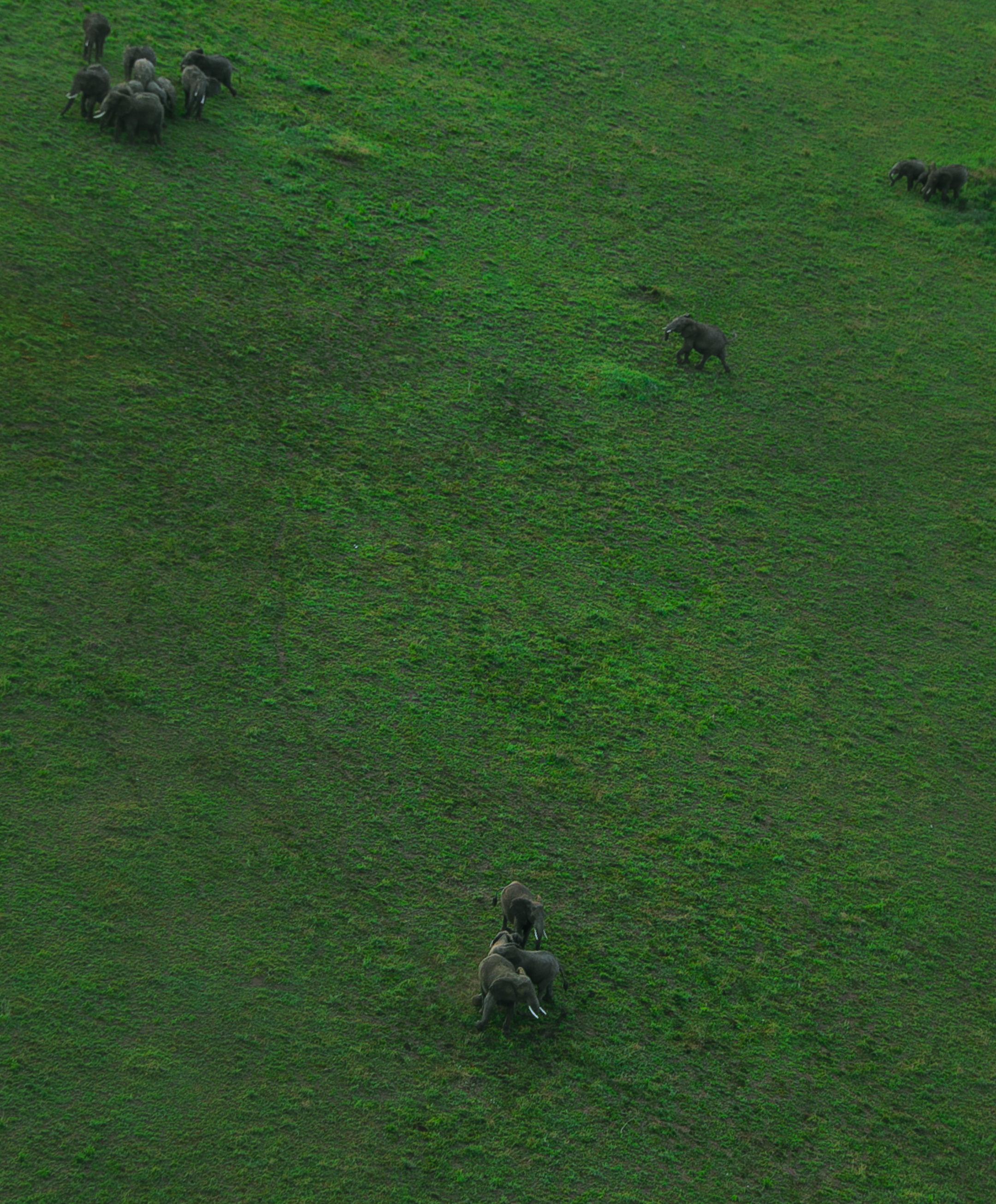
Tarangire National Park
Colossal elephant herds gathered along ancient riverbeds framed by thousand-year-old baobabs
“Time your visit to January or February for peak orchid diversity, and bring a proper fleece — nights on the plateau are genuinely cold even though you're barely three degrees south of the equator.”
Include Kitulo National Park
Our bespoke routes are never off-the-shelf. We handle all park authorizations, charter flights, and private luxury canvas allocations.
Ready to Walk the Grounds of Kitulo National Park?
Speak directly with our East African expedition directors to craft a private route connecting Kitulo National Park with the region’s finest wilderness camps.