
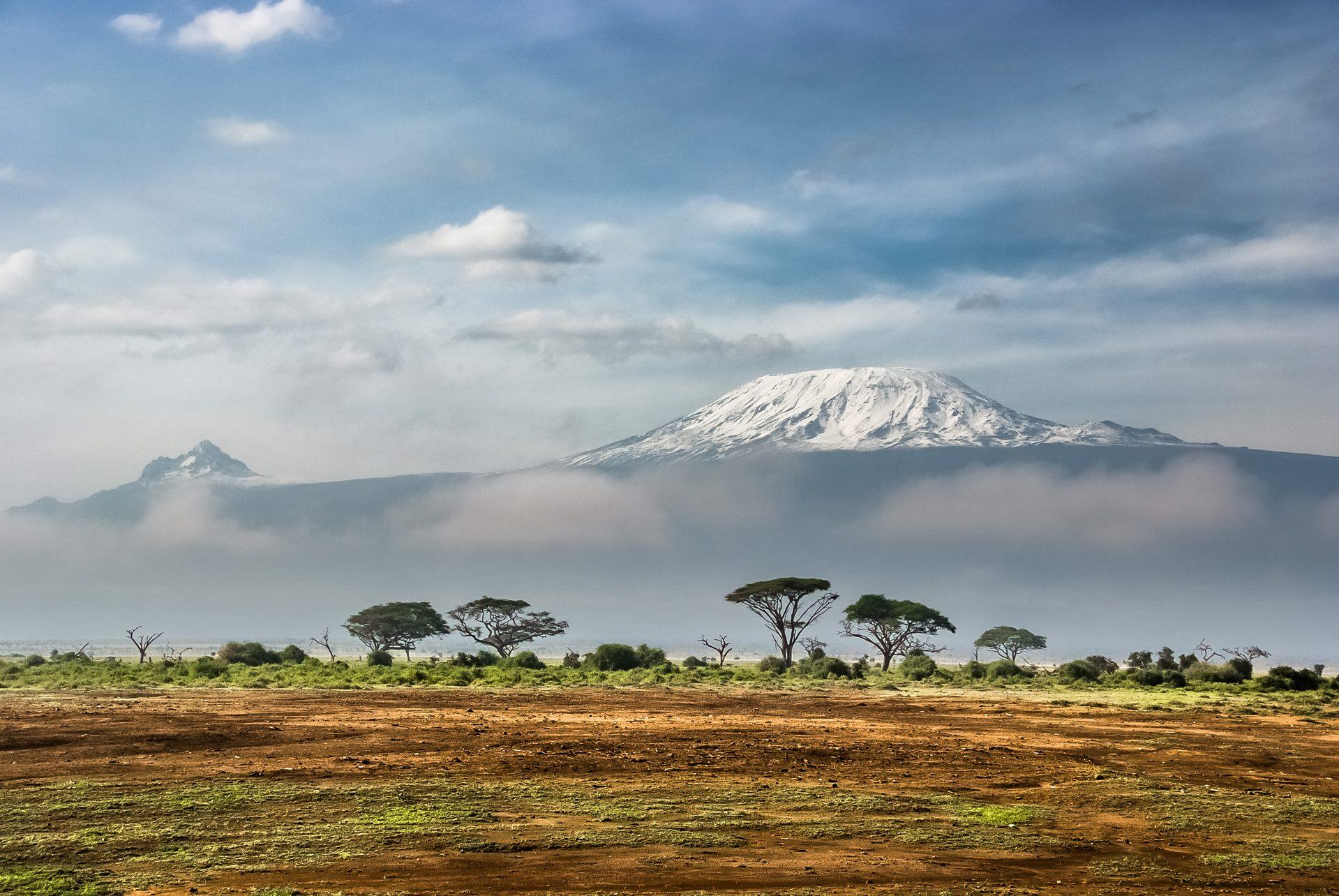
Mount Kilimanjaro
Kilima Njaro — often rendered "Shining Mountain"; the exact Swahili/Chagga etymology is disputed among linguists
The world’s tallest free-standing mountain — a single walkable ascent from equatorial farmland to glaciated summit
Photo: Sergey Pesterev, via Wikimedia Commons (CC BY-SA 4.0)
1,668 km² (Kilimanjaro National Park)
Direct international flights land at JRO; roughly 45–60 mins by road transfer to the Machame, Lemosho, or Marangu gate area
Kilimanjaro International Airport (JRO)
Kilimanjaro National Park (KINAPA) Climbing Permit, park entry fees, rescue fee, and hut or camping fees
The Soul of Mount Kilimanjaro
Rising as a single free-standing volcanic massif from the farmland and savanna of northern Tanzania, Kilimanjaro is Africa’s highest point and one of the more accessible high-altitude summits in the world — no ropes, ice axes, or technical climbing required, just a slow, deliberate walk through five distinct climate zones in the space of a few days. Several well-established named routes climb the mountain, among them Machame, Lemosho, and Marangu, each with its own scenery, gradient, and crowding pattern; Tutoke helps match the right route and season to a guest’s fitness and travel dates, and arranges permits, guides, and porters before they arrive.
Rainforest belt, alpine moorland, high desert & the glaciated summit slopes of Kilimanjaro
“Somewhere above the last tussocks of moorland grass, the mountain stops pretending to be Africa at all — it turns cold, silent, and almost lunar, and every remaining step becomes a quiet negotiation with your own lungs.”
Tutoke Field Expeditions · Arusha & Kigali Ground Operations
Keystone Species & Tracking Insights
Field documentation by Tutoke Gold-Level Guides
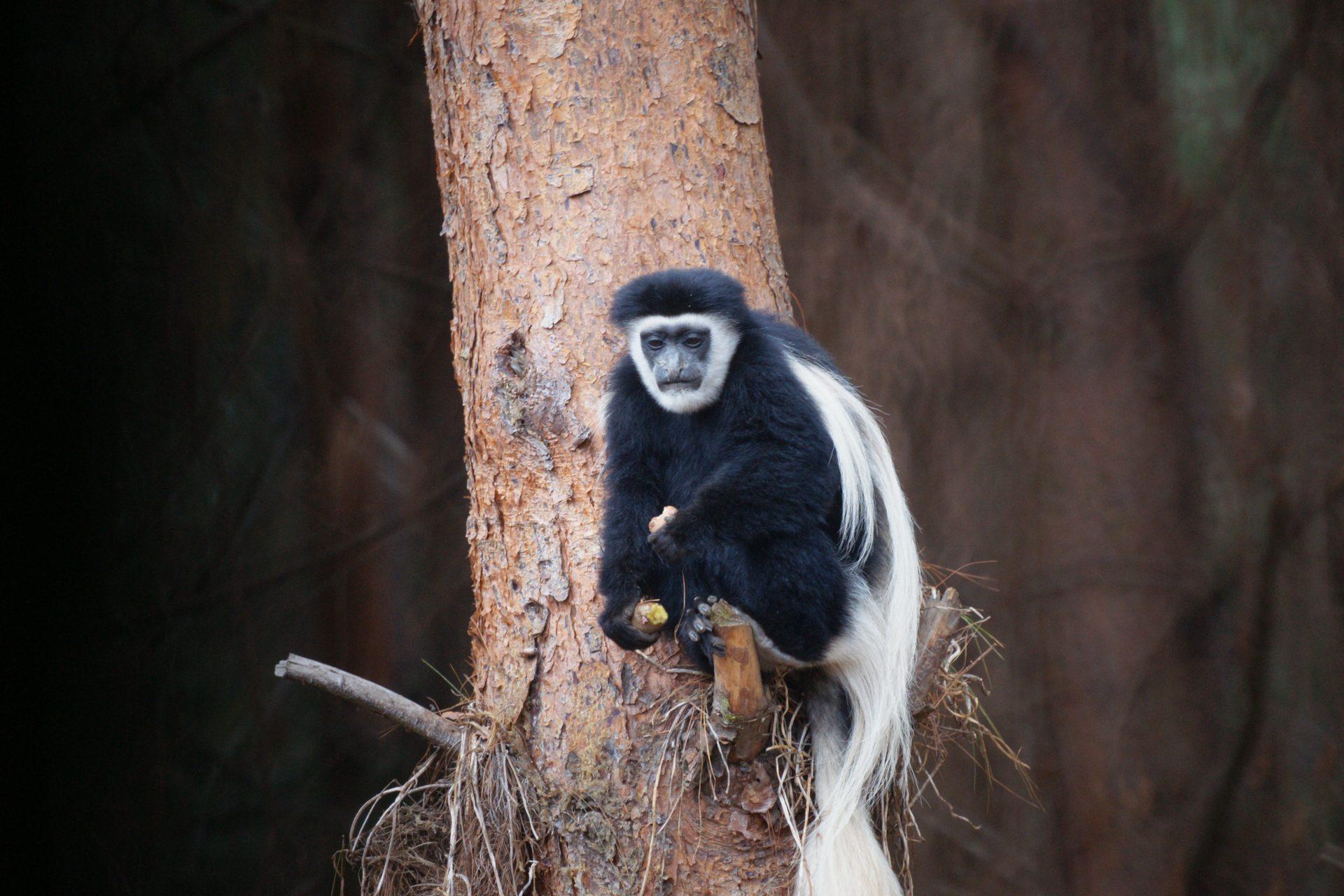
Guereza (Black-and-White Colobus)
Colobus guereza
Troops move through the high canopy of the lower rainforest in the first hour or two of trekking, long white tail-plumes trailing behind them — most guests see them on day one and rarely again once the trail climbs into moorland.
Blue Monkey
Cercopithecus mitis
Quieter and more elusive than the colobus, blue monkeys keep to the mid-canopy of the rainforest zone and are often heard — a low, resonant call — before they are seen.
Silvery-Cheeked Hornbill
Bycanistes brevis
Its heavy, whooshing wingbeat is often the first sound that announces the rainforest zone — a large, casqued hornbill that forages noisily on fig trees at the forest edge.
White-Necked Raven
Corvus albicollis
Once the trail leaves the forest behind, this is nearly the only wildlife left — a bold, intelligent scavenger that has learned to work the camps at Shira, Barranco, and Barafu for scraps.
Month-by-Month Migration & Climate Guide
Select any month below to analyze expected animal density, weather conditions, and seasonal photography light.
Wildlife Movements & Activity
One of the two prime dry windows; firm footing and clear summit views on both southern and northern routes.
Preparation & Wilderness Protocols
Airstrips & Air Transfers
Fly directly into Kilimanjaro International Airport (JRO), served by long-haul carriers and regional connections from Nairobi, Addis Ababa, and Dar es Salaam. The gate used to begin the climb (Machame, Lemosho, Londorossi, or Marangu) depends on the chosen route.
Health, Altitude & Inoculations
Altitude, not fitness, is the main risk factor above 3,500m. A slow ascent profile with built-in acclimatization days is the single biggest lever on how a climber feels and whether they reach the summit; Diamox (acetazolamide) is commonly discussed with a travel doctor in advance. Yellow fever certification may be required depending on prior travel history, and hydration on the mountain is non-negotiable.
Clothing & Photographic Gear
A true layering system is essential, from moisture-wicking base layers through insulated mid-layers to a windproof/waterproof summit shell, since a single day can move through rainforest humidity, moorland wind, and sub-zero summit-night cold. Good broken-in boots and trekking poles matter more than any single piece of expensive kit.
Permit Securing & Conservation Fees
KINAPA permits, hut/camping fees, and rescue fees are arranged well ahead of arrival, along with route and guide/porter allocation. Routes with an extra built-in acclimatization night — such as the 8-day Lemosho or Northern Circuit variants — carry meaningfully higher success rates than the shortest itineraries on the same route.
Recommended Destinations
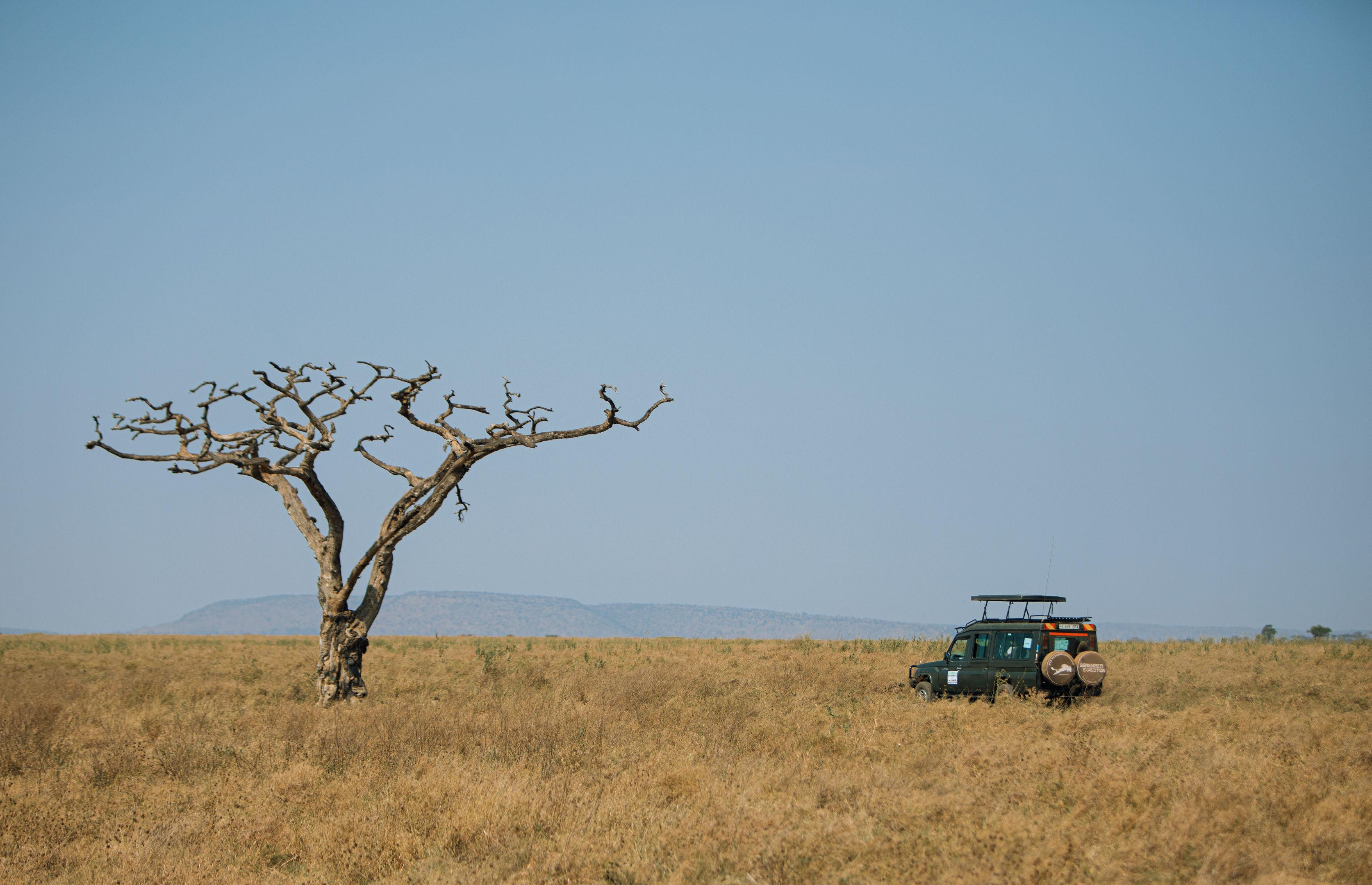 Tanzania
Serengeti National Park
The world’s most celebrated savanna ecosystem and stage of the Great Migration
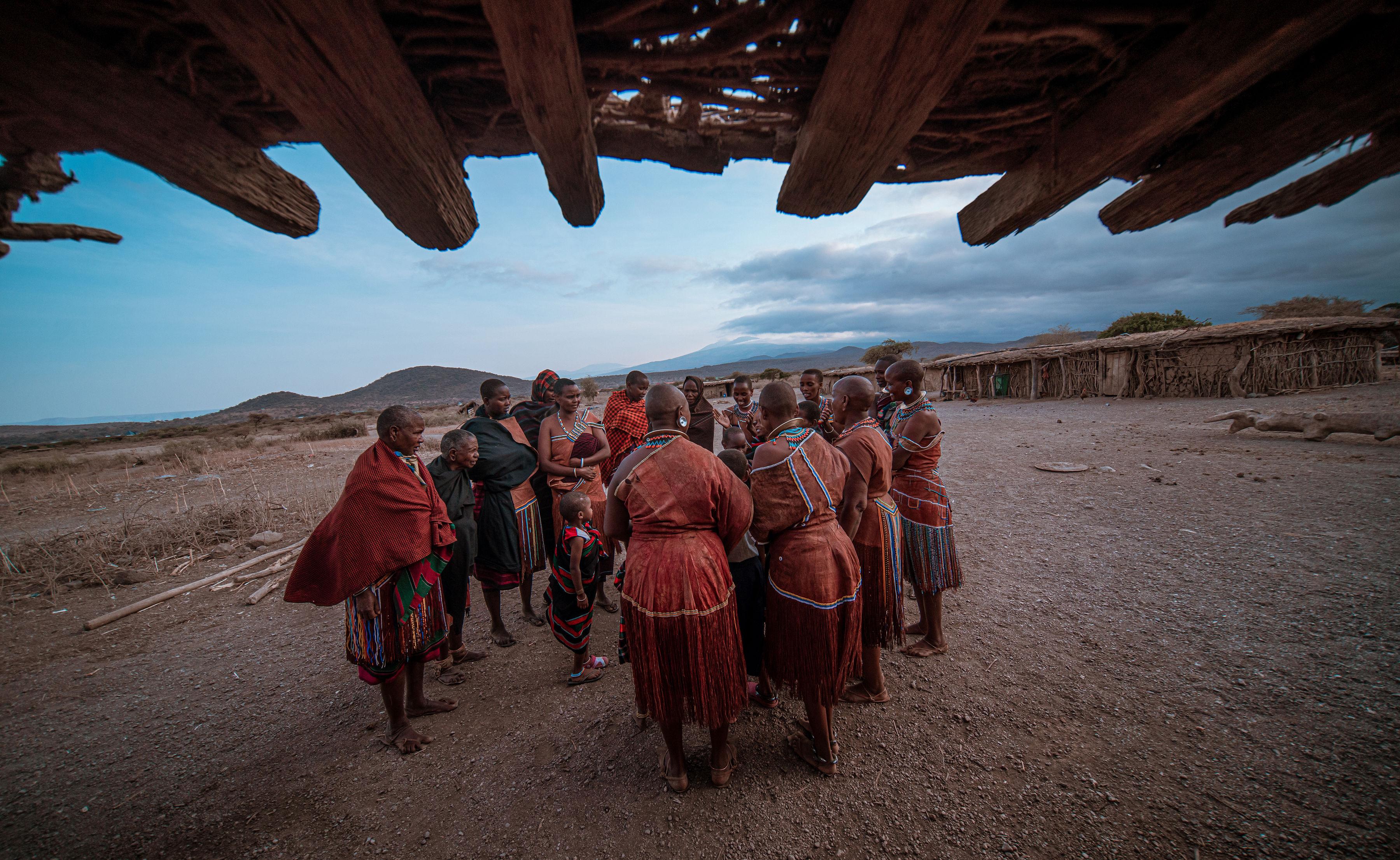 Tanzania
Ngorongoro Conservation Area
An intact volcanic caldera harboring 25,000 large mammals and ancient hominid history
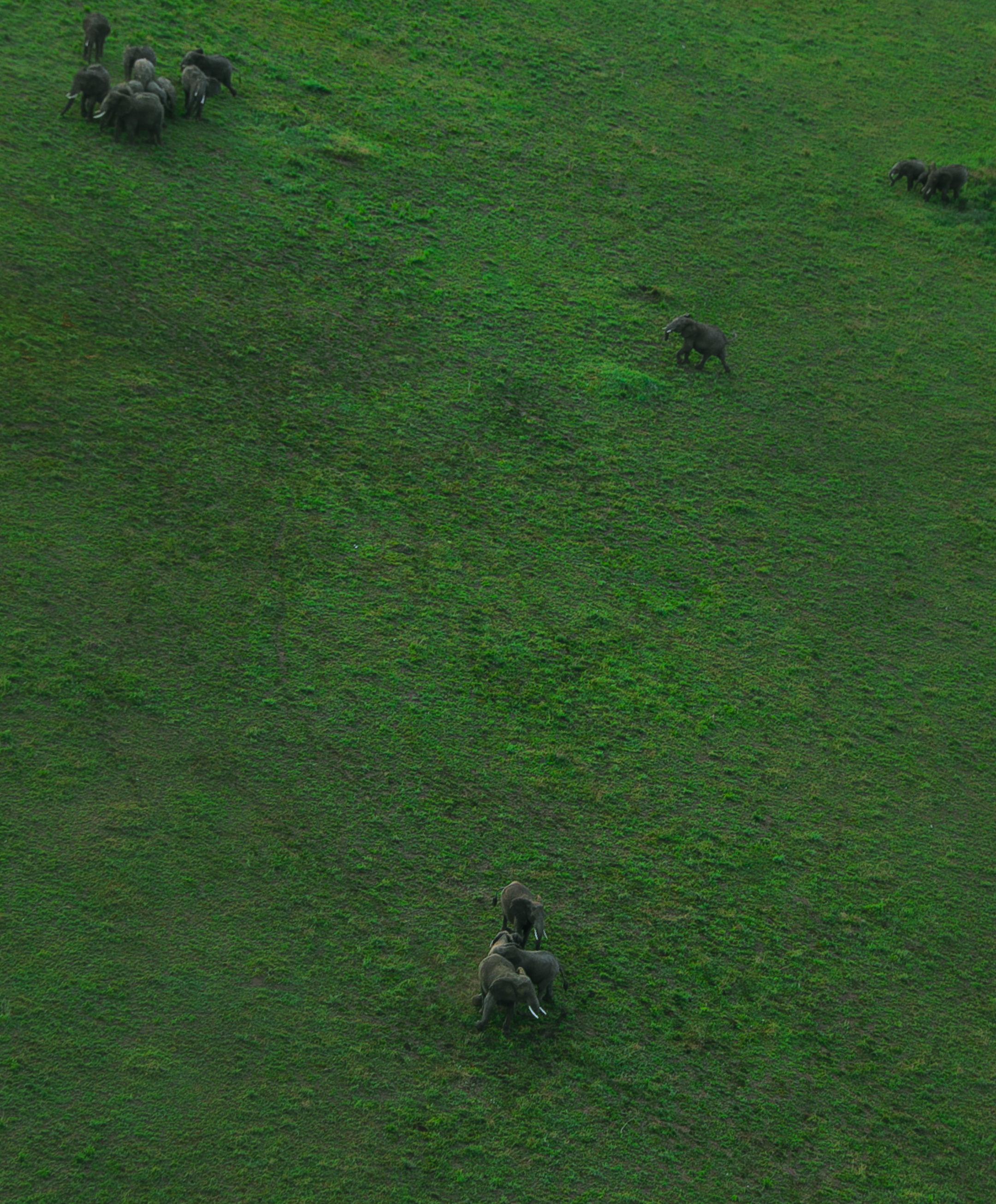 Tanzania
Tarangire National Park
Colossal elephant herds gathered along ancient riverbeds framed by thousand-year-old baobabs
“Choose a route with at least one extra built-in acclimatization night — Lemosho and the Northern Circuit’s longer itineraries measurably improve both summit success and how well a climber actually feels doing it, far more than raw fitness does.”
Include Mount Kilimanjaro
Our bespoke routes are never off-the-shelf. We handle all park authorizations, charter flights, and private luxury canvas allocations.
Ready to Walk the Grounds of Mount Kilimanjaro?
Speak directly with our East African expedition directors to craft a private route connecting Mount Kilimanjaro with the region’s finest wilderness camps.